
A Bread at the Heart of Armenian Life
Spend a few days in Armenia and lavash will almost certainly become part of your journey. This thin, soft bread appears at family tables, restaurants, markets and small bakeries across the country. Armenians wrap it around cheese and fresh herbs, serve it with grilled meat or simply enjoy it warm from the tonir. But lavash is more than something served with a meal. Bread has held an important place in Armenian daily life for centuries, and even the Armenian expression for having a meal, “hats utel,” literally means “to eat bread.” Traditional expressions about sharing bread, welcoming someone with bread and salt, or wishing that a home will always have bread reflect the ideas of hospitality, abundance and togetherness that have long surrounded it.
Bread has ancient roots in the region. Archaeological evidence shows that bread was being prepared in the Armenian Highland centuries before the Common Era, while lavash itself developed into one of the most recognizable parts of Armenian food culture. Even its name has inspired a popular explanation in Armenia. It is sometimes connected with the Armenian words “lav kashats,” meaning “well stretched,” a reference to the way the dough is carefully stretched before baking. While this should be understood as a traditional explanation rather than a firmly established linguistic origin, it fits remarkably well with the process you can still watch today.
Bread has ancient roots in the region. Archaeological evidence shows that bread was being prepared in the Armenian Highland centuries before the Common Era, while lavash itself developed into one of the most recognizable parts of Armenian food culture. Even its name has inspired a popular explanation in Armenia. It is sometimes connected with the Armenian words “lav kashats,” meaning “well stretched,” a reference to the way the dough is carefully stretched before baking. While this should be understood as a traditional explanation rather than a firmly established linguistic origin, it fits remarkably well with the process you can still watch today.
Watch Lavash Come to Life
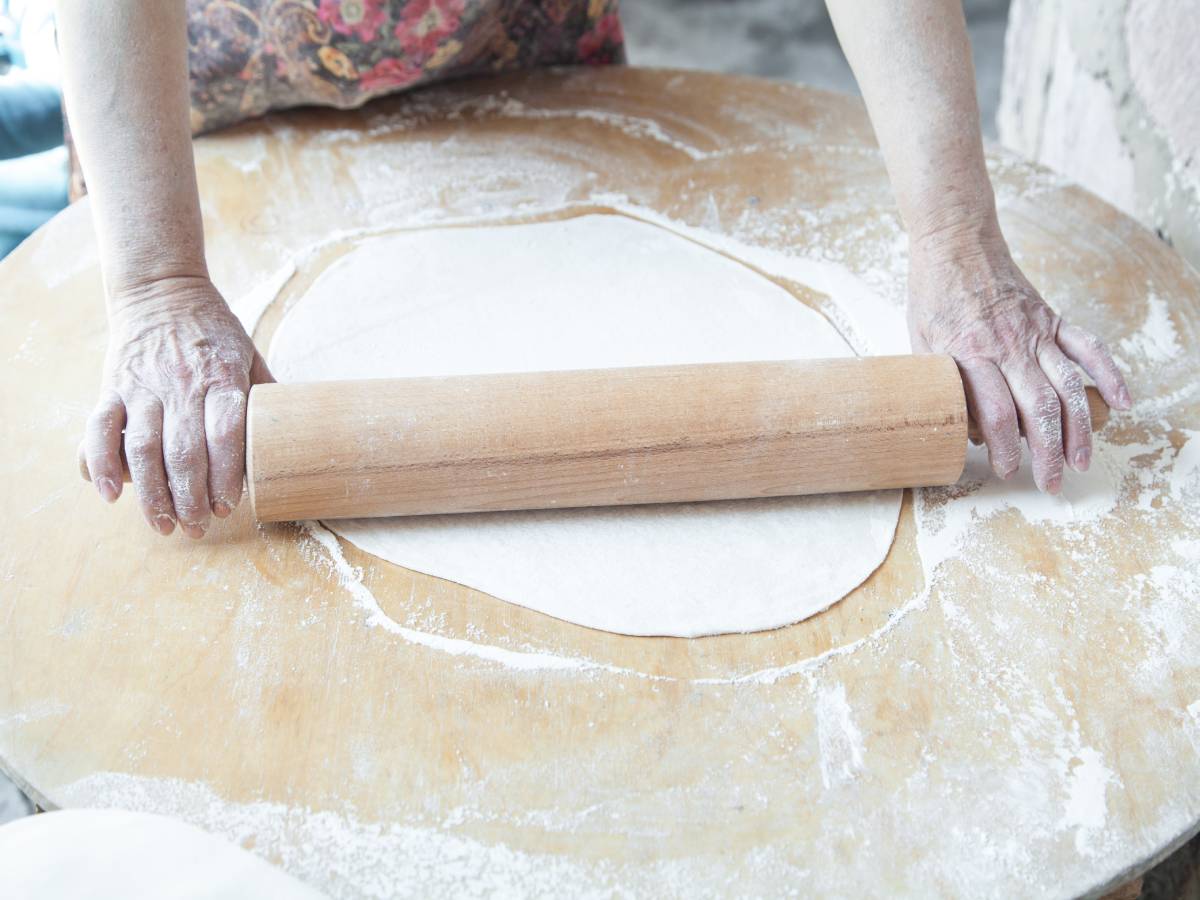
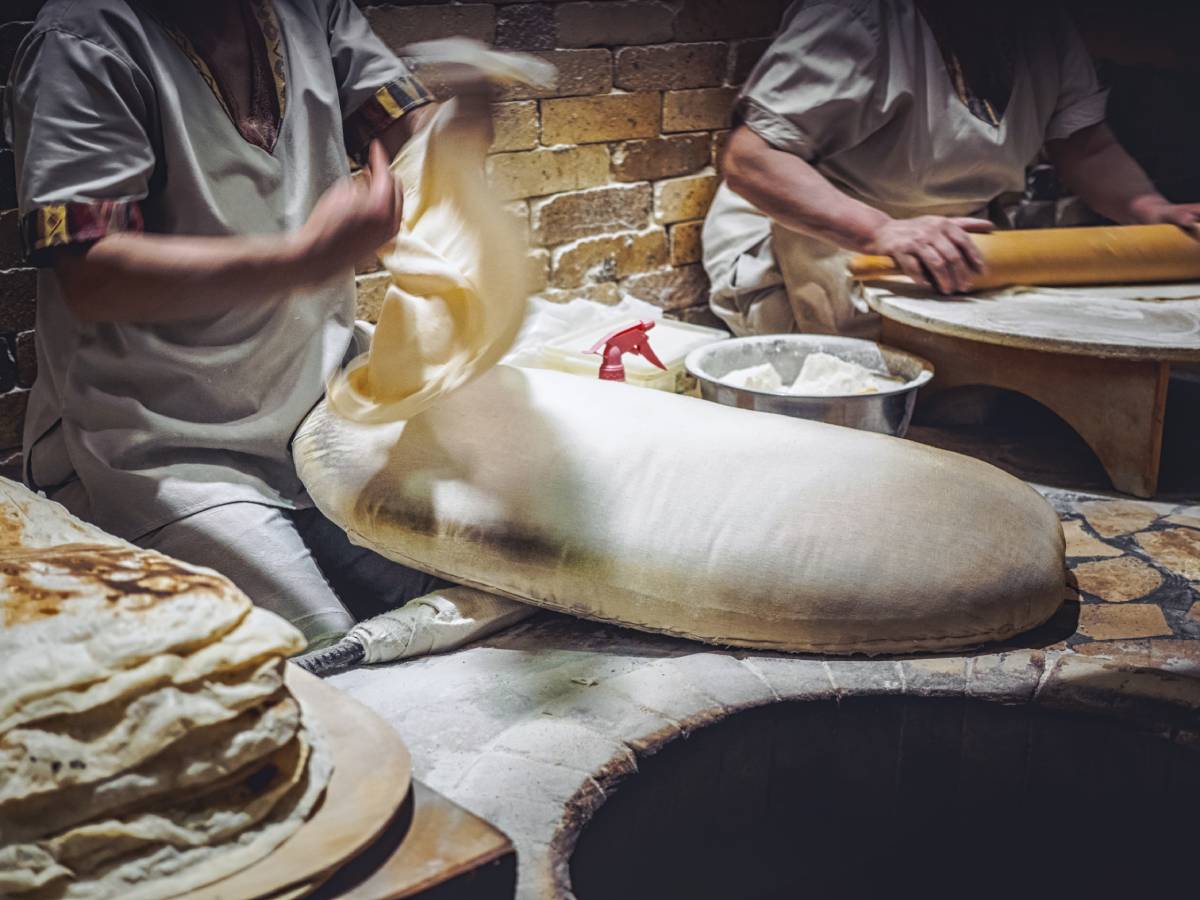
Traditional lavash making is an experience worth seeing for yourself. The dough is rolled and stretched until it becomes very thin, placed over a special cushion and carefully pressed against the hot inner wall of a tonir, the traditional clay oven. It takes only around 30 to 60 seconds for the thin sheet of dough to bake against the hot wall of the tonir. Experienced bakers make the movements look simple, but handling such thin dough requires practice, speed and skill.
Traditionally, lavash could be prepared in large quantities, with baking sometimes taking an entire day or even longer. Once dried, the bread could be stored for months and softened with a little water when needed. This made it practical for households while also turning lavash baking into a shared activity. Preparing large batches brought people together around work that required cooperation, experience and knowledge passed from one generation to another.
Traditionally, lavash could be prepared in large quantities, with baking sometimes taking an entire day or even longer. Once dried, the bread could be stored for months and softened with a little water when needed. This made it practical for households while also turning lavash baking into a shared activity. Preparing large batches brought people together around work that required cooperation, experience and knowledge passed from one generation to another.
More Than Everyday Bread
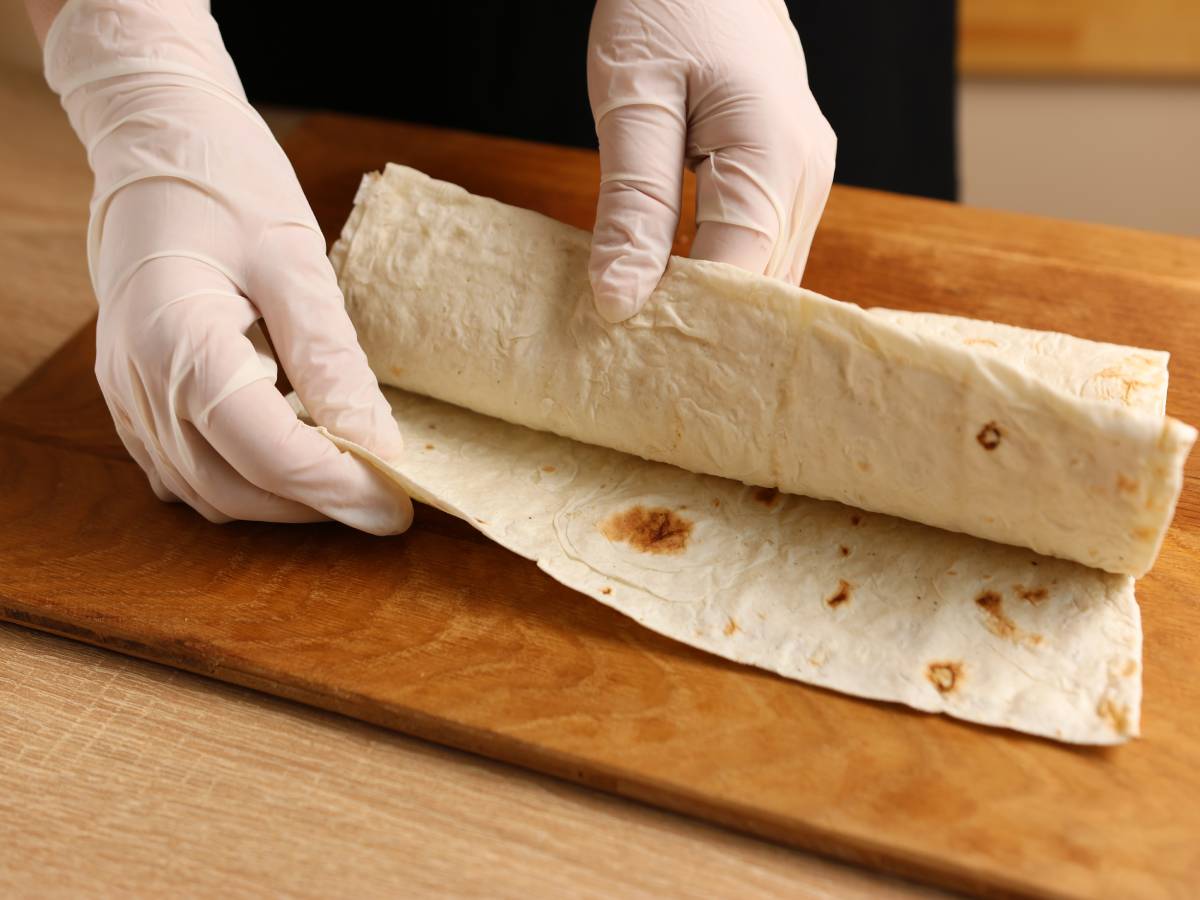
Lavash belongs to both ordinary meals and important moments in Armenian life. One of the most beautiful traditions can still be seen at weddings, when lavash is placed over the shoulders of newlyweds as a symbol of prosperity, abundance and a happy family life. Armenian speech has also preserved expressions and proverbs centered on bread, reflecting the respect it has held in everyday culture.
In 2014, “Lavash, the preparation, meaning and appearance of traditional bread as an expression of culture in Armenia” was inscribed on UNESCO’s Representative List of the Intangible Cultural Heritage of Humanity. The recognition is not simply about the bread itself. It includes the knowledge involved in preparing it, the social traditions surrounding it and its role in Armenian culture. Today, lavash continues to connect the everyday Armenian table with customs that have survived for generations.
In 2014, “Lavash, the preparation, meaning and appearance of traditional bread as an expression of culture in Armenia” was inscribed on UNESCO’s Representative List of the Intangible Cultural Heritage of Humanity. The recognition is not simply about the bread itself. It includes the knowledge involved in preparing it, the social traditions surrounding it and its role in Armenian culture. Today, lavash continues to connect the everyday Armenian table with customs that have survived for generations.
Taste It, Make It, Remember It
For travelers, tasting freshly baked lavash is only part of the experience. During a lavash-making workshop in Armenia, you can watch the dough being prepared, try rolling and stretching it yourself and see how the tonir is used. There is a particular pleasure in tasting a warm piece only moments after it has been taken from the oven, especially when you have seen how much skill goes into something that initially looks so simple.
Lavash offers a small but meaningful way to understand Armenia beyond its monuments and landscapes. It tells a story about food, hospitality, shared work and traditions that are still very much alive. And if you learn to make it yourself, you can return home with more than photographs and souvenirs. You take with you a skill, a story and a taste of Armenia that can return to your own table long after the journey ends.
Lavash offers a small but meaningful way to understand Armenia beyond its monuments and landscapes. It tells a story about food, hospitality, shared work and traditions that are still very much alive. And if you learn to make it yourself, you can return home with more than photographs and souvenirs. You take with you a skill, a story and a taste of Armenia that can return to your own table long after the journey ends.
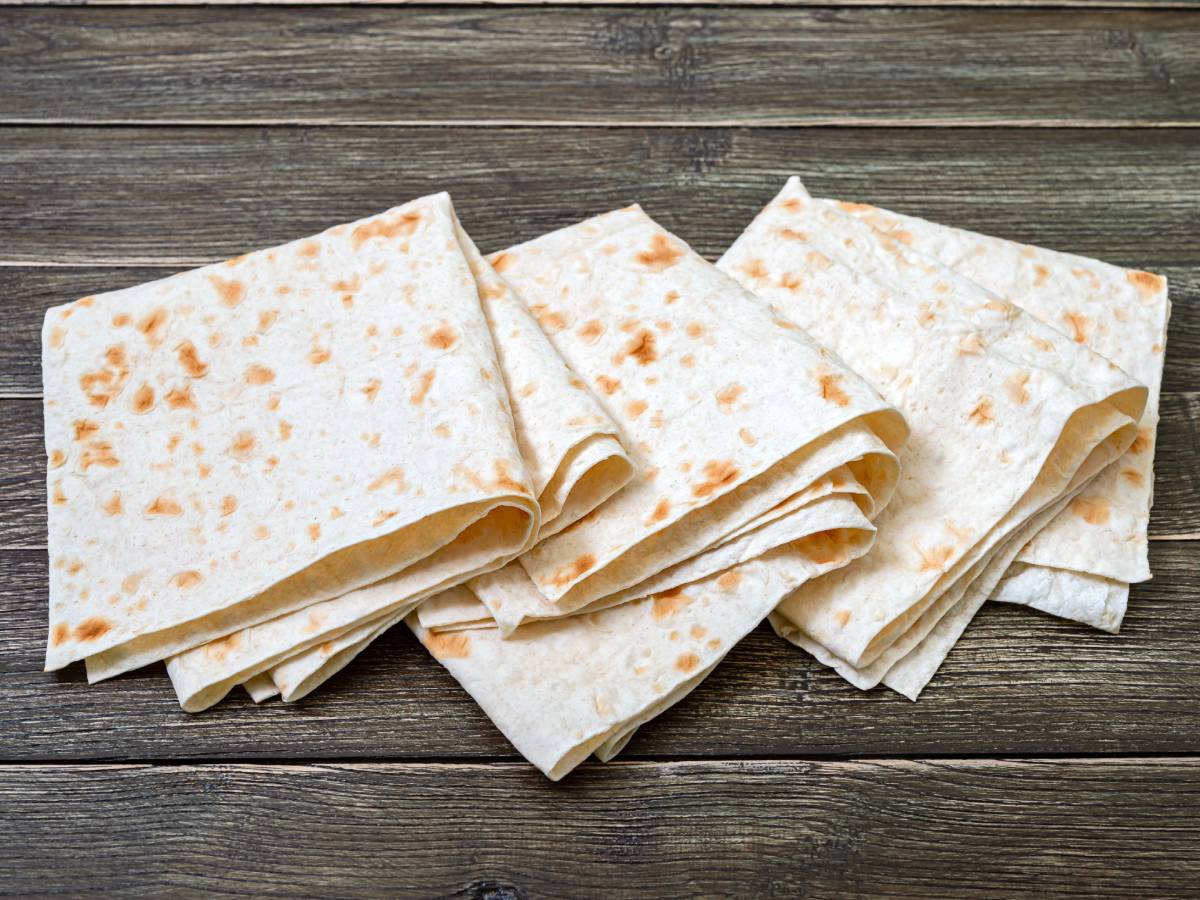
Ready to experience Armenian food traditions for yourself?
Discover authentic Armenian experiences and plan your journey with Gavit Travel.