Armenian Crafts & the People Keeping Them Alive

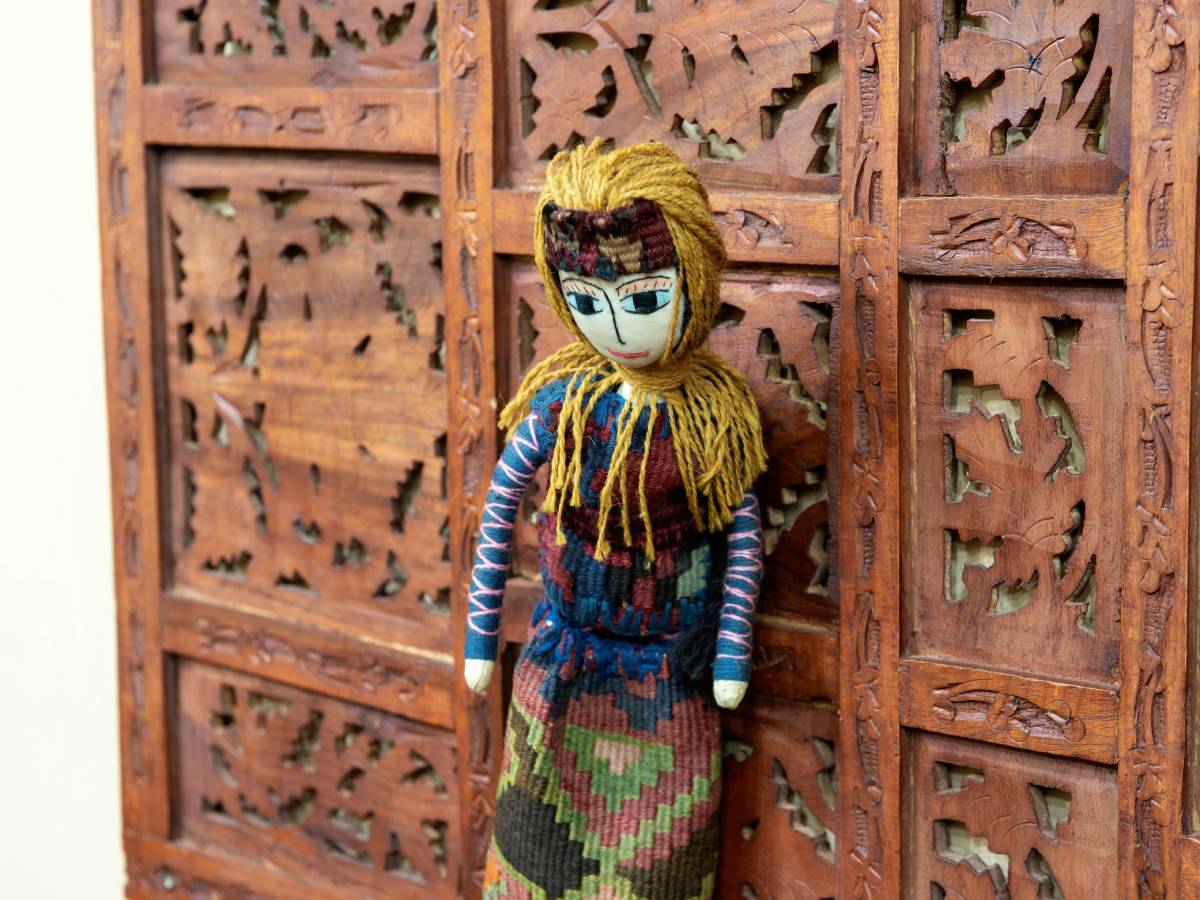
andmade wooden doll
Traditions You Can Still Meet Today

Armenian craftsmanship is not something that belongs only behind museum glass. Travel through the country and you can still meet stone carvers working with local tuff, weavers building patterns thread by thread, instrument makers shaping apricot wood, and potters turning clay into objects meant to be used as well as admired. Many of these skills have been passed from one generation to another, changing with time without losing their connection to the past. For travelers, this makes Armenian crafts especially interesting. You can see the work finished in historic monuments, markets and workshops, but in some places you can also meet the people behind it and try the craft yourself.
The Living Art of Khachkar Carving
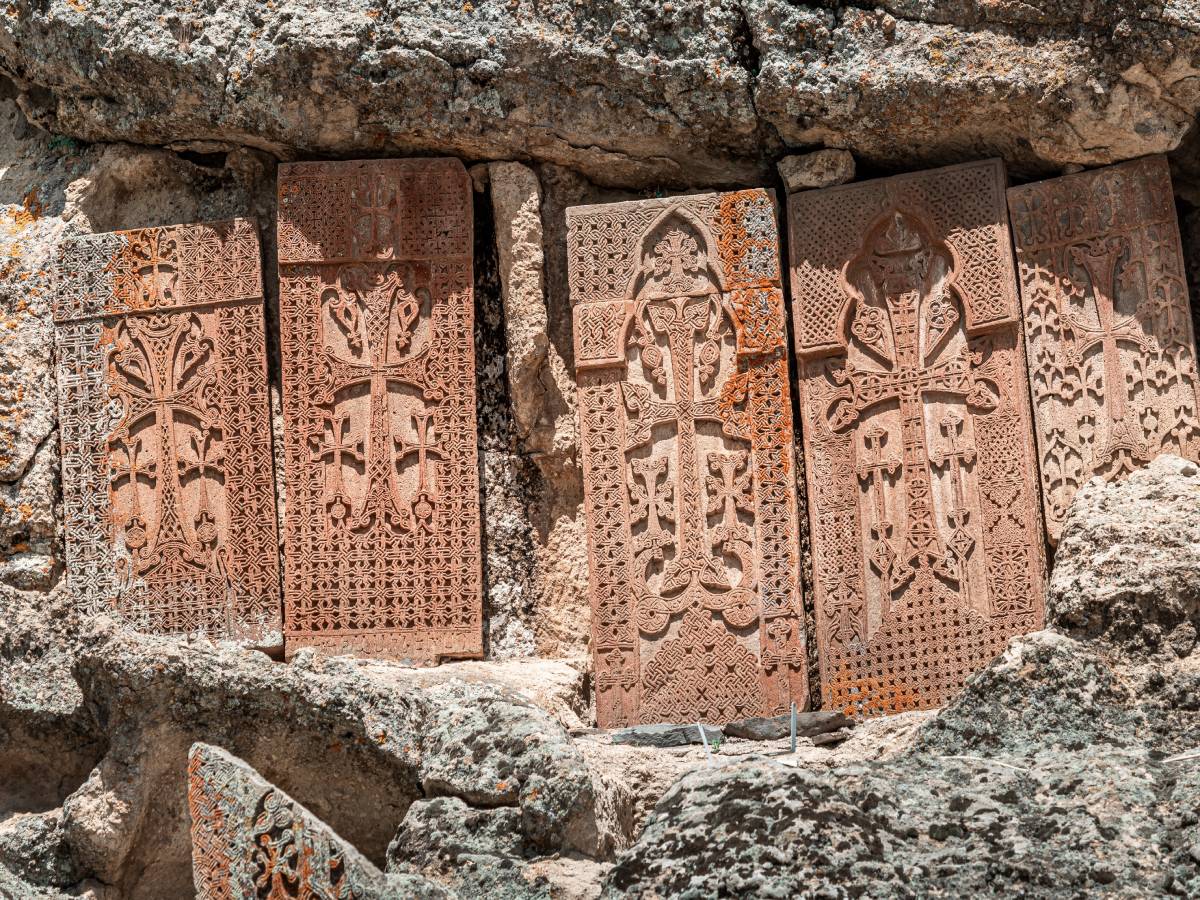
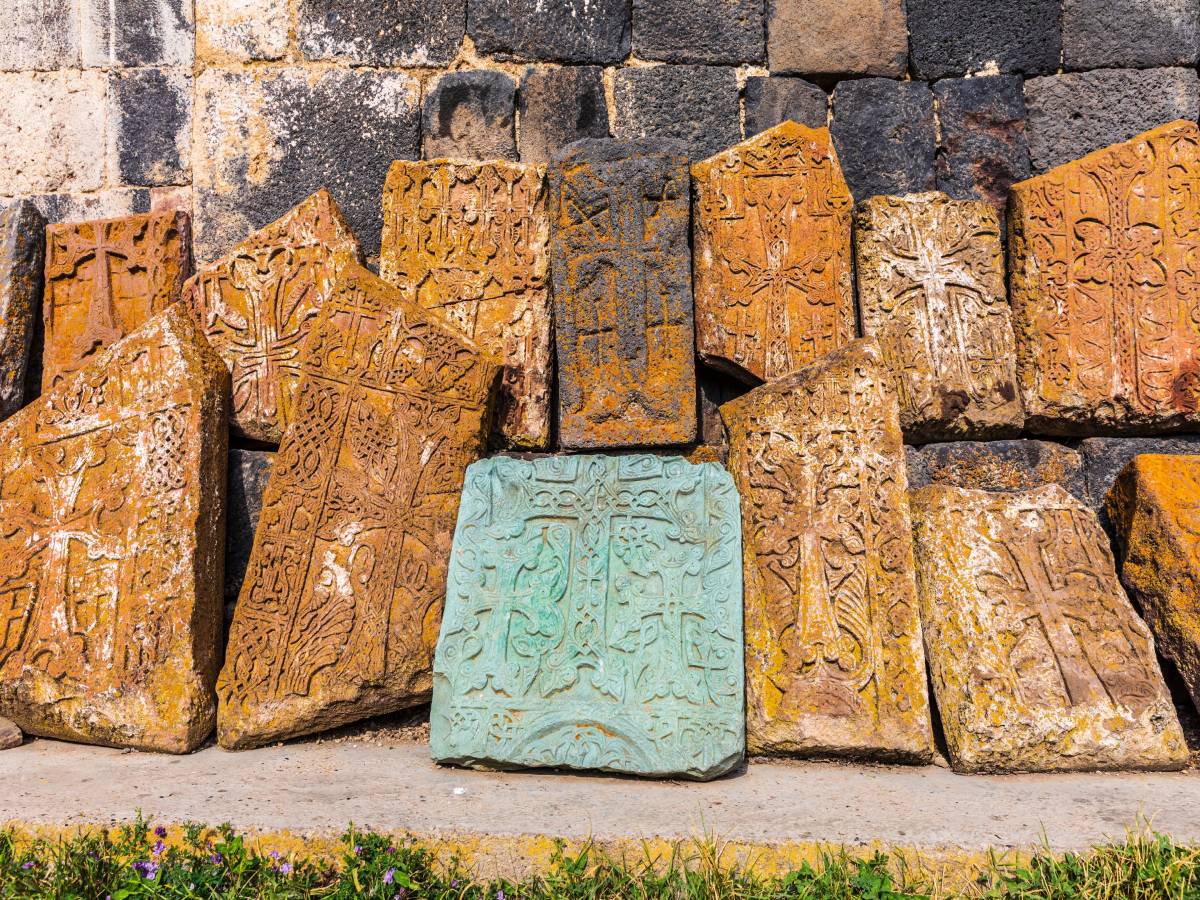
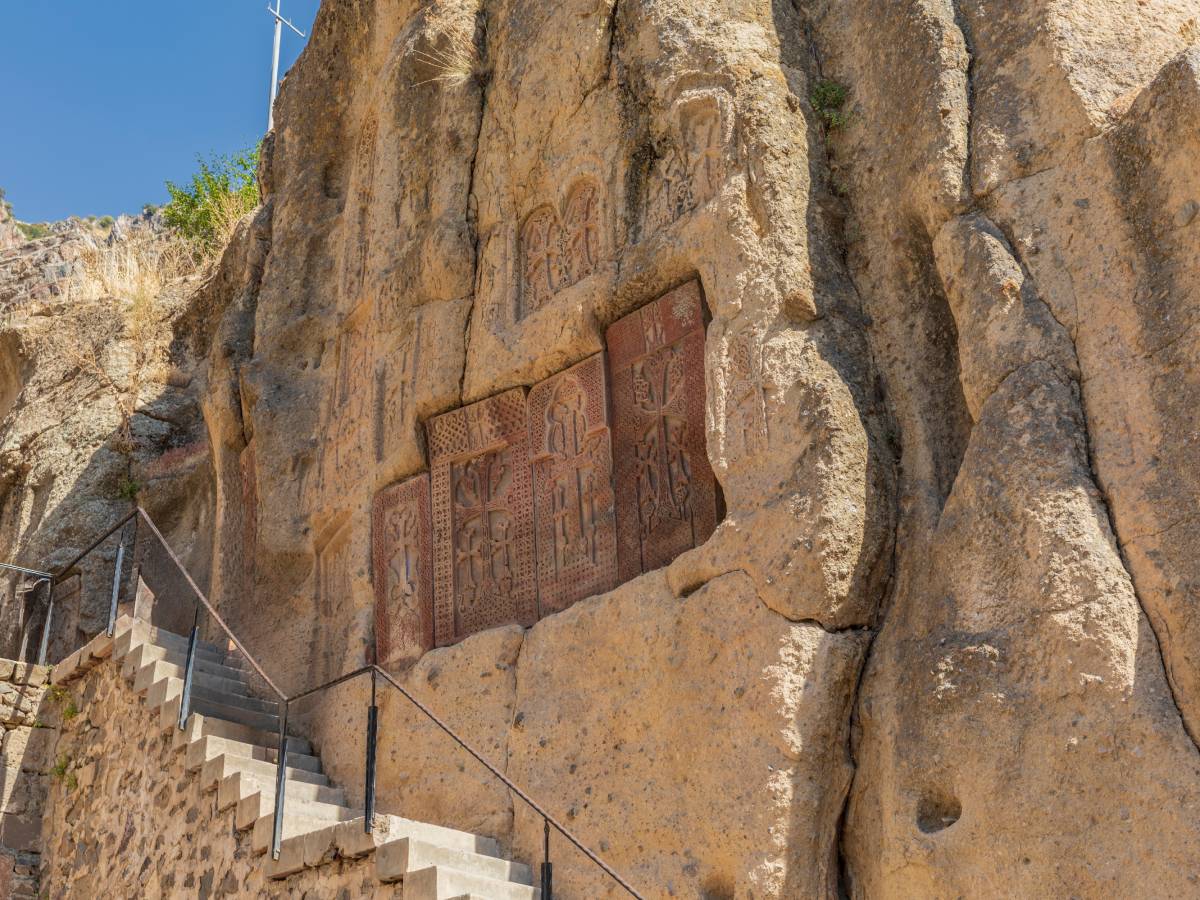
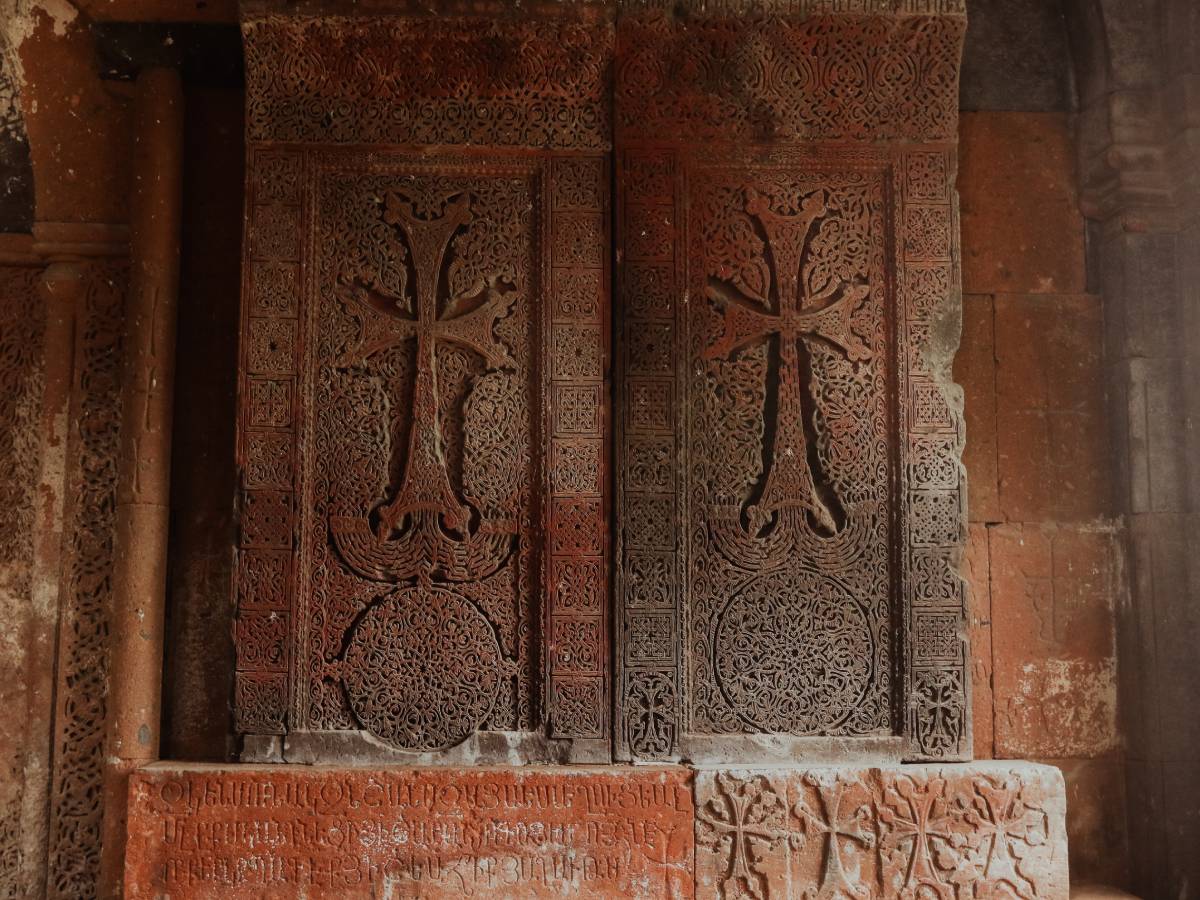
Look closely at an Armenian khachkar and the amount of detail can be surprising. A cross usually forms the center of the composition, surrounded by carved leaves, rosettes, interlaced patterns and geometric ornament. No two need to be exactly alike, and the individual choices of the stone carver give each work its own character. Khachkars have been created in Armenia for more than a thousand years as memorial stones and expressions of faith, and the tradition of Armenian cross-stone art is recognized by UNESCO as Intangible Cultural Heritage. One of the most remarkable places to see them is Noratus Cemetery, near Lake Sevan, where hundreds of historic khachkars stand together in an extraordinary open-air landscape. Yet khachkar carving is not only a historic art. Craftspeople continue to practice it today, and workshops give visitors an opportunity to watch how ornament slowly emerges from a plain piece of stone.
Ancient traditional carved khachkar

From Woven Patterns to the Sound of the Duduk
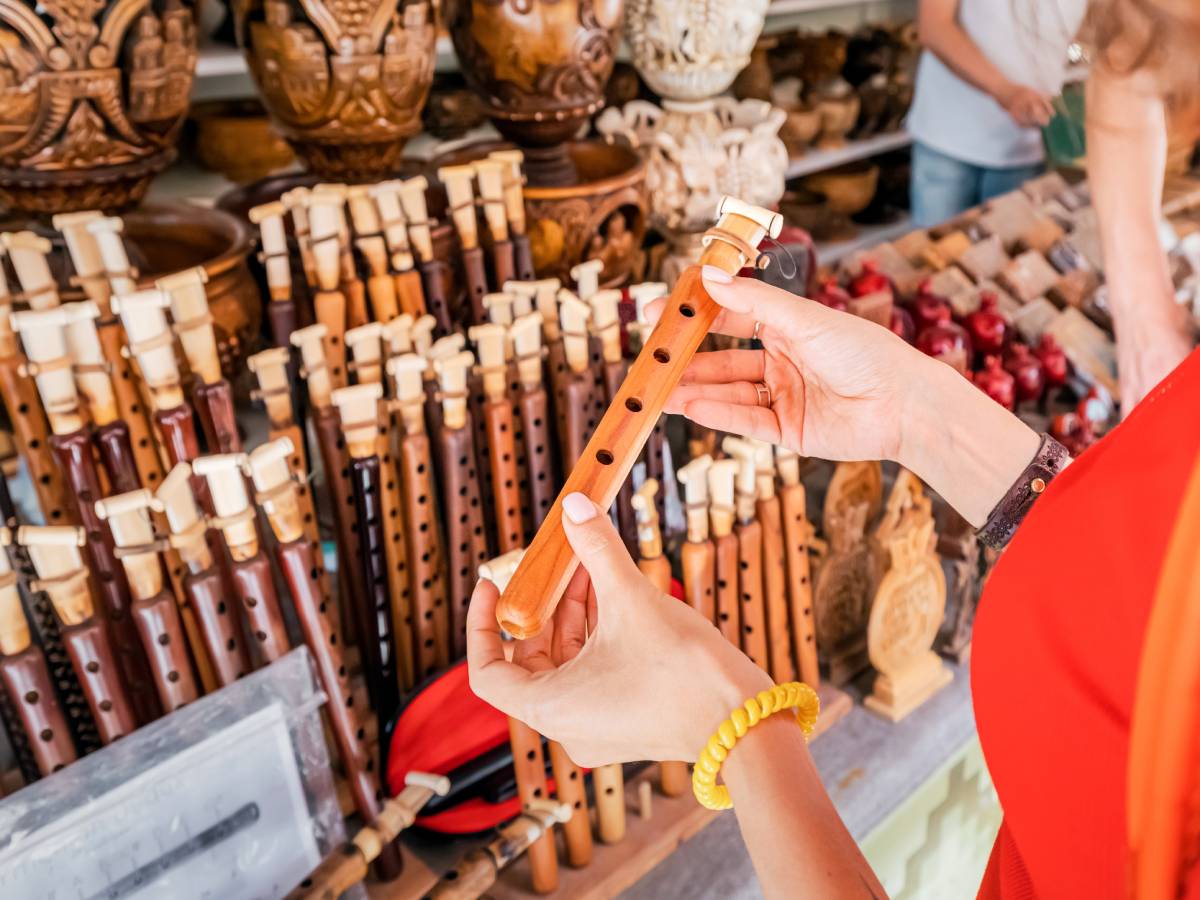
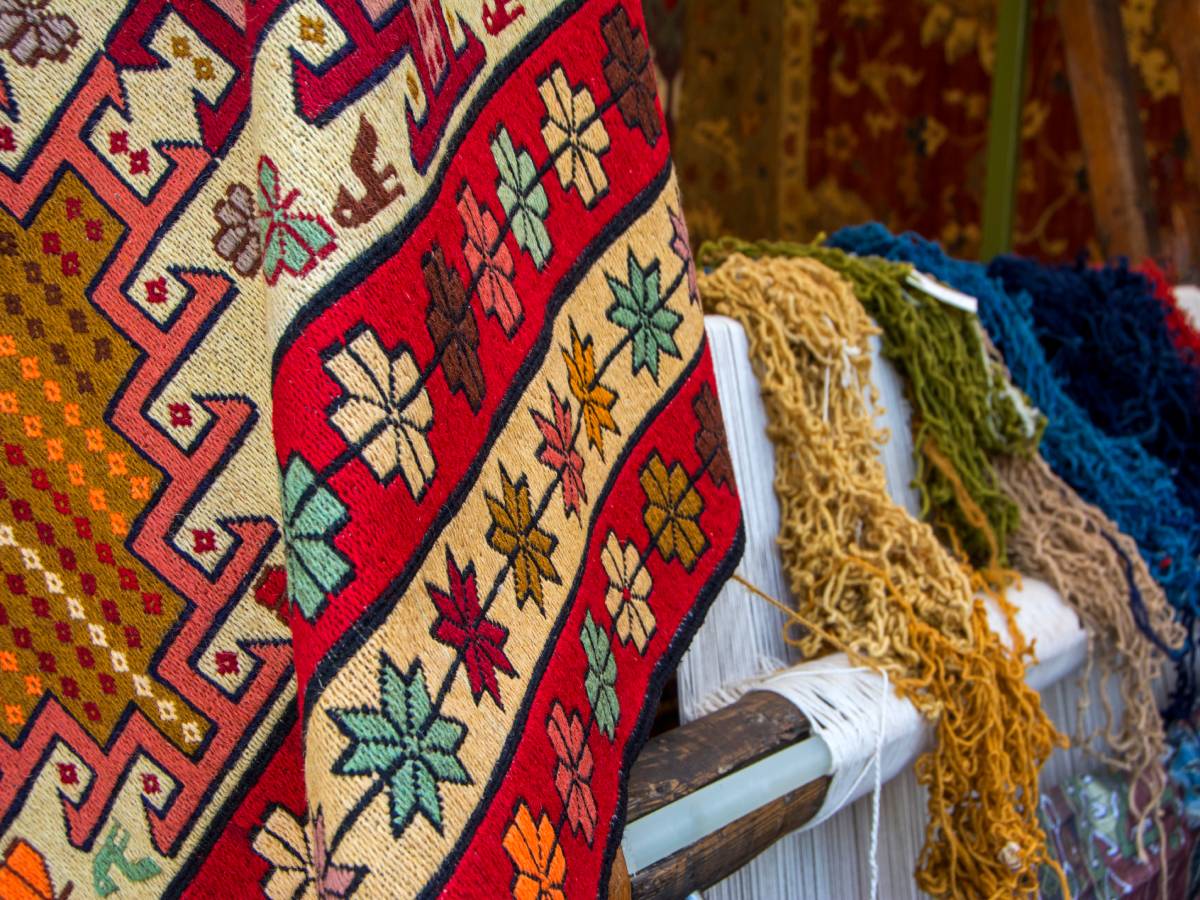
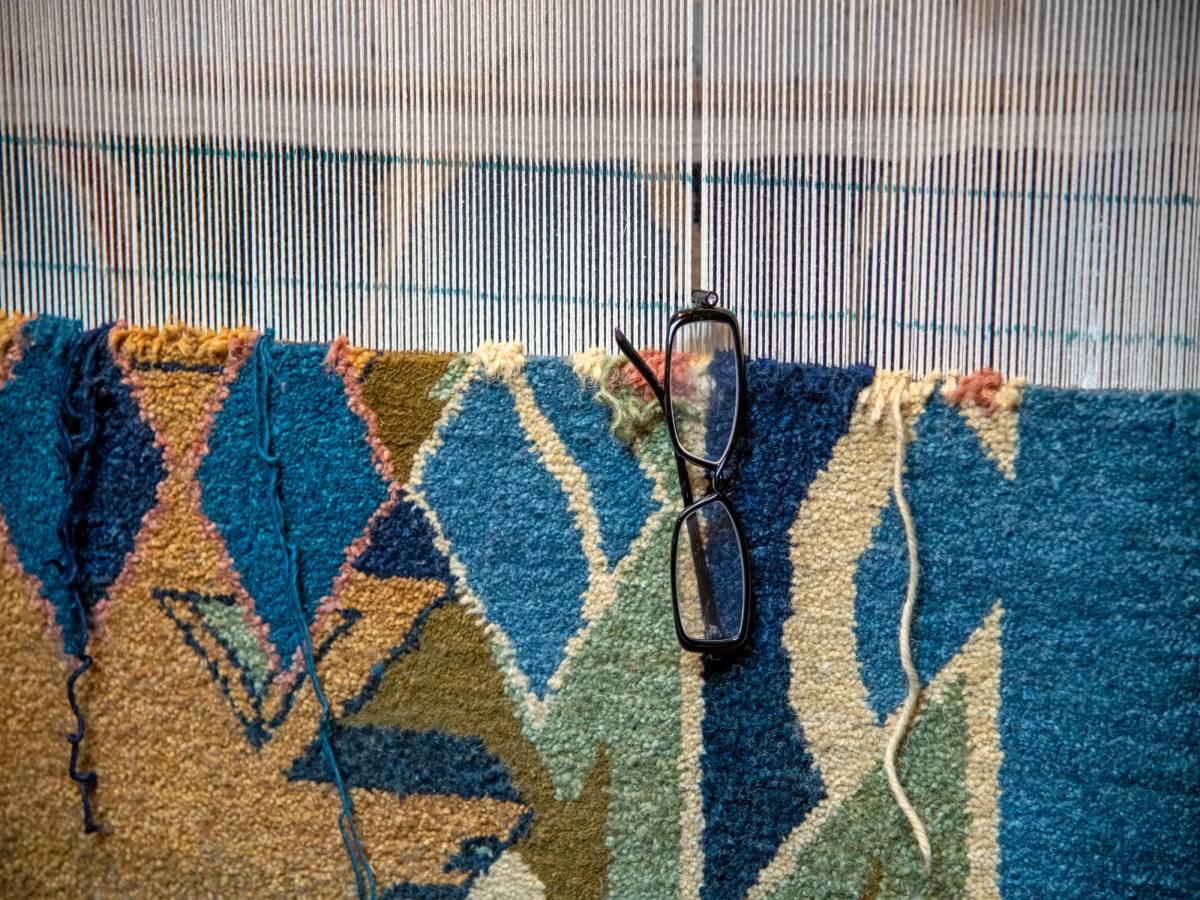
Armenian craftsmanship takes many forms, and each material brings its own traditions. Traditional carpet weaving brings together wool, colour, geometric forms, floral details and symbolic motifs, with patterns that can differ between regions, families and workshops. Historically, natural dyes were an important part of the craft, including the famous deep red associated with vordan karmir, the Armenian cochineal. From woven threads, the story moves to wood and one of Armenia’s most recognizable sounds. The duduk is a remarkable example of how craftsmanship and music come together. Traditionally made from apricot wood, this simple-looking instrument requires careful craftsmanship to produce its warm and deeply expressive sound. In 2008, UNESCO inscribed “Duduk and its music” on the Representative List of the Intangible Cultural Heritage of Humanity, recognizing a tradition that continues to connect craftsmanship, music and Armenian cultural life.
duduk

Shaping Clay and Keeping Skills Alive
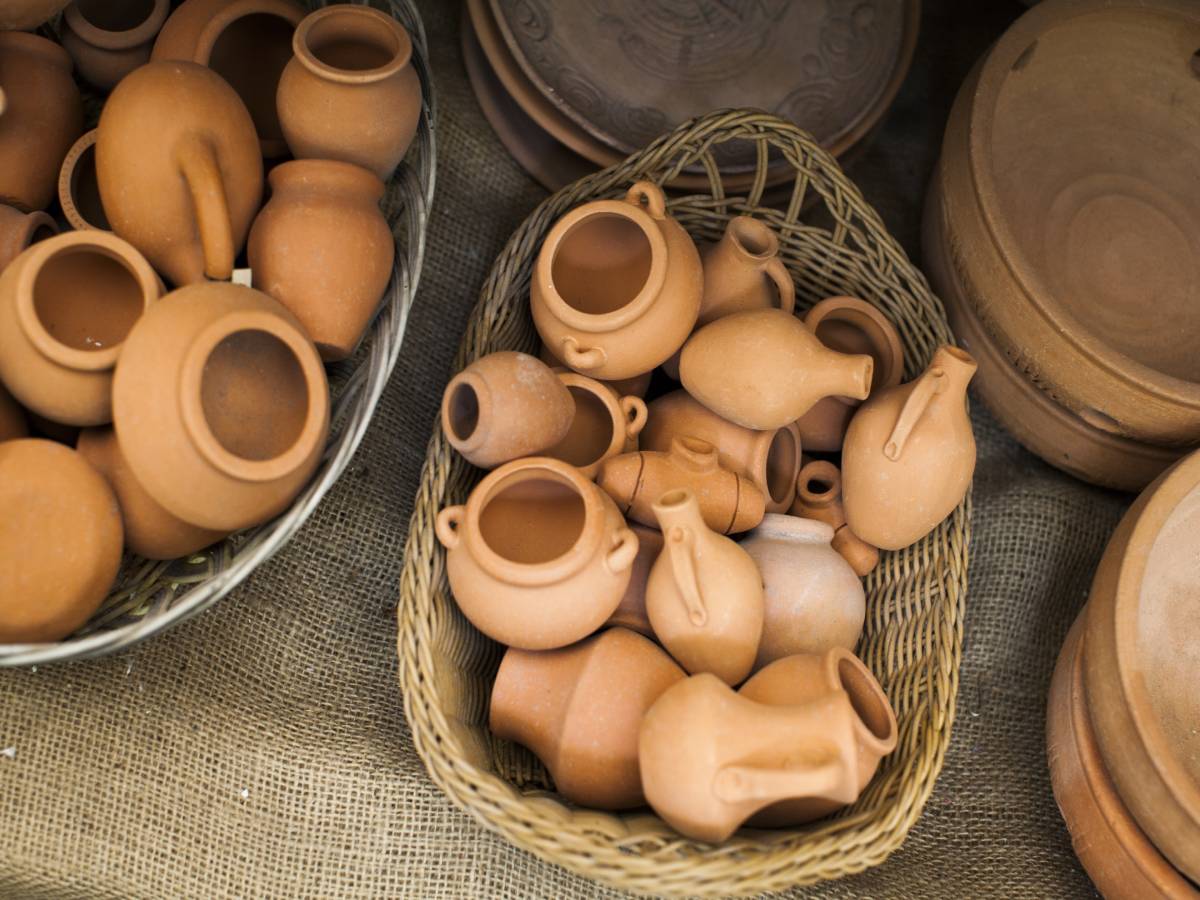
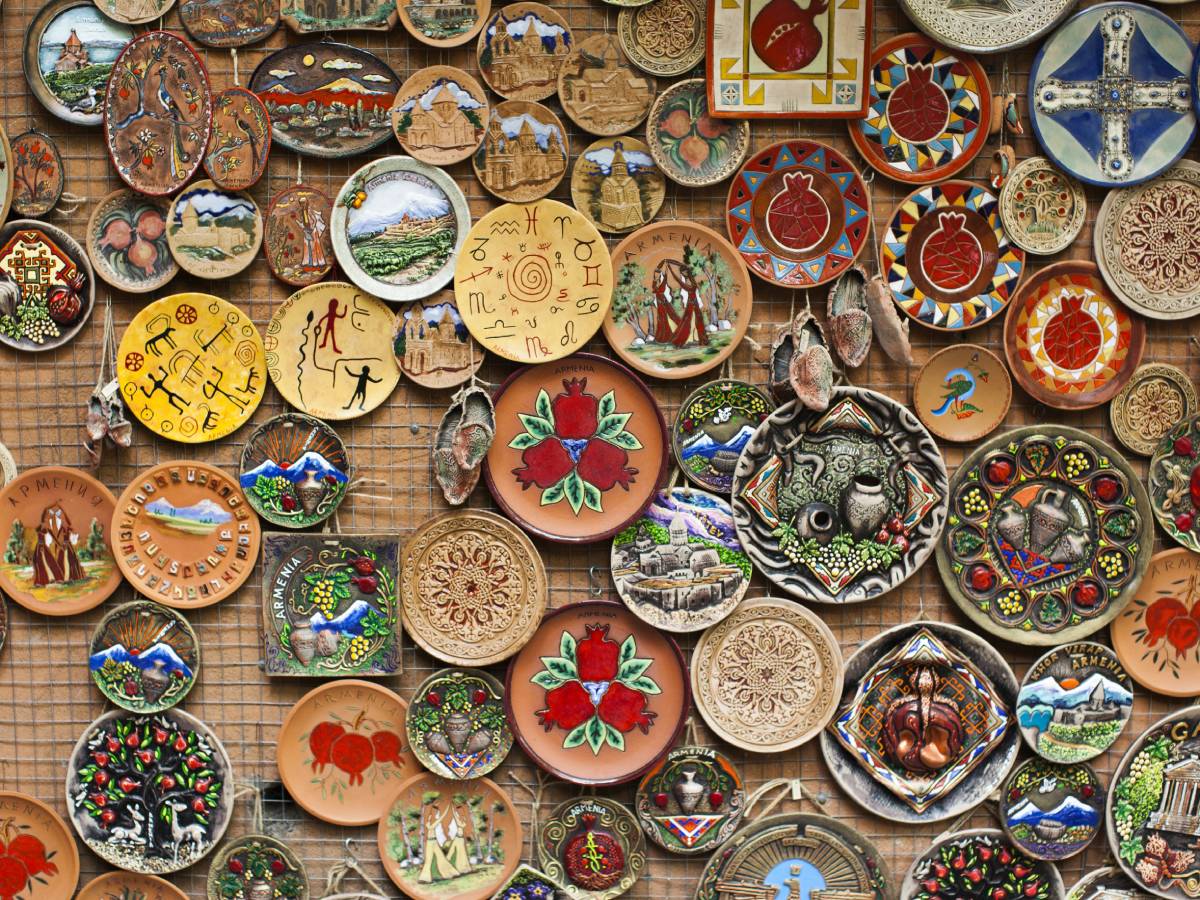
Pottery takes the story even further back. Archaeological discoveries show that people in the Armenian Highlands have been shaping clay into vessels for thousands of years, making bowls, jars and containers for storing, preparing and serving food. What began as an essential everyday craft also developed an artistic side through form, colour and decoration. Today, pottery workshops across Armenia continue to work with clay while combining traditional methods with contemporary ideas.
Ceramic products in  Armenia
What if you left with more than memories?

When your journey through Armenia comes to an end, you can take home more than memories of the places you have seen. You can leave with new experiences, skills and knowledge, and perhaps something made with your own hands to remind you of the journey.