Lets talk about Armenia
Armenia is a country where thousands of years of history are part of everyday life. Travel across the country and you will find ancient settlements, centuries-old traditions and churches that have stood for more than a thousand years. The Armenian language has its own unique alphabet, local recipes have been passed through generations, and traditional music, dance and craftsmanship continue to be part of the country’s cultural identity.
But Armenia is not only about looking back. Its culture is also found around the table, in busy markets, small workshops, local celebrations and the way people welcome guests. Food is made to be shared, and Armenian hospitality can turn an ordinary meal into a long evening of conversation. Beyond the capital, regional traditions and local ways of life give each place its own character.
For travelers, this mix is part of what makes Armenia interesting to explore. You can spend the morning surrounded by ancient history and later discover contemporary art, creative spaces and the energy of modern city life. From Yerevan to small mountain communities, the experience changes as you travel. Here, centuries-old traditions and modern life simply exist side by side.
-
Armenia was the first country to adopt Christianity as a state religion.
- The Armenian alphabet is over 1,600 years old.
-
Armenia has one of the world’s oldest known winemaking traditions.
- About 90% of Armenia lies more than 1,000 meters above sea level.
-
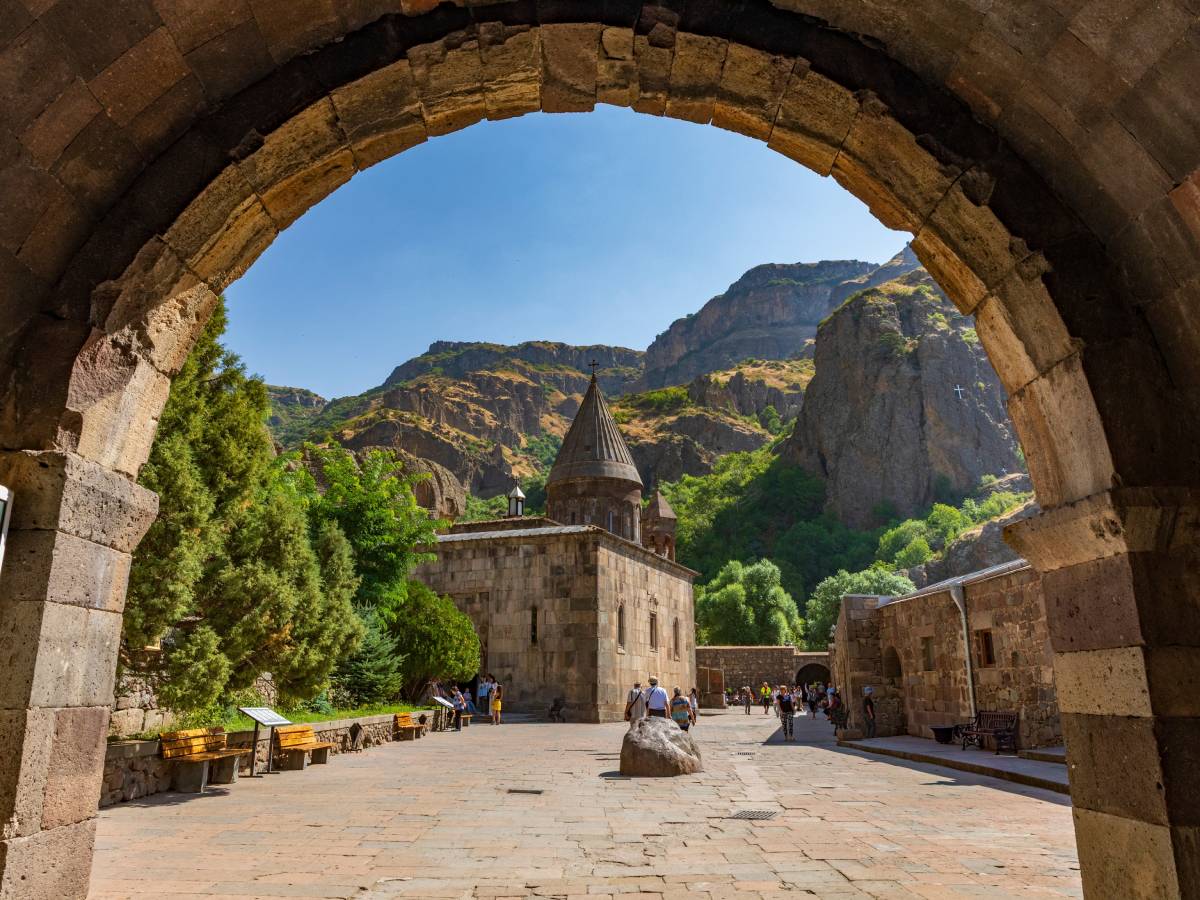
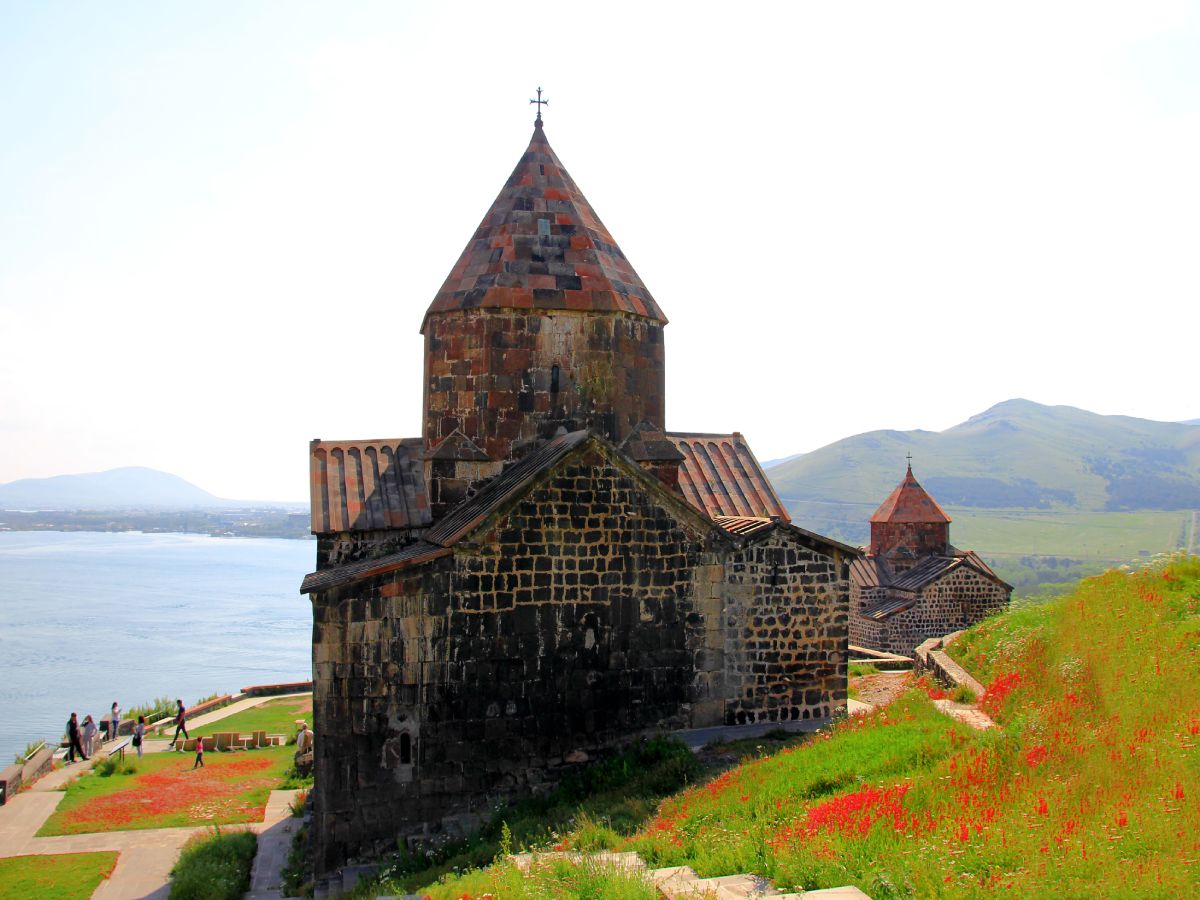
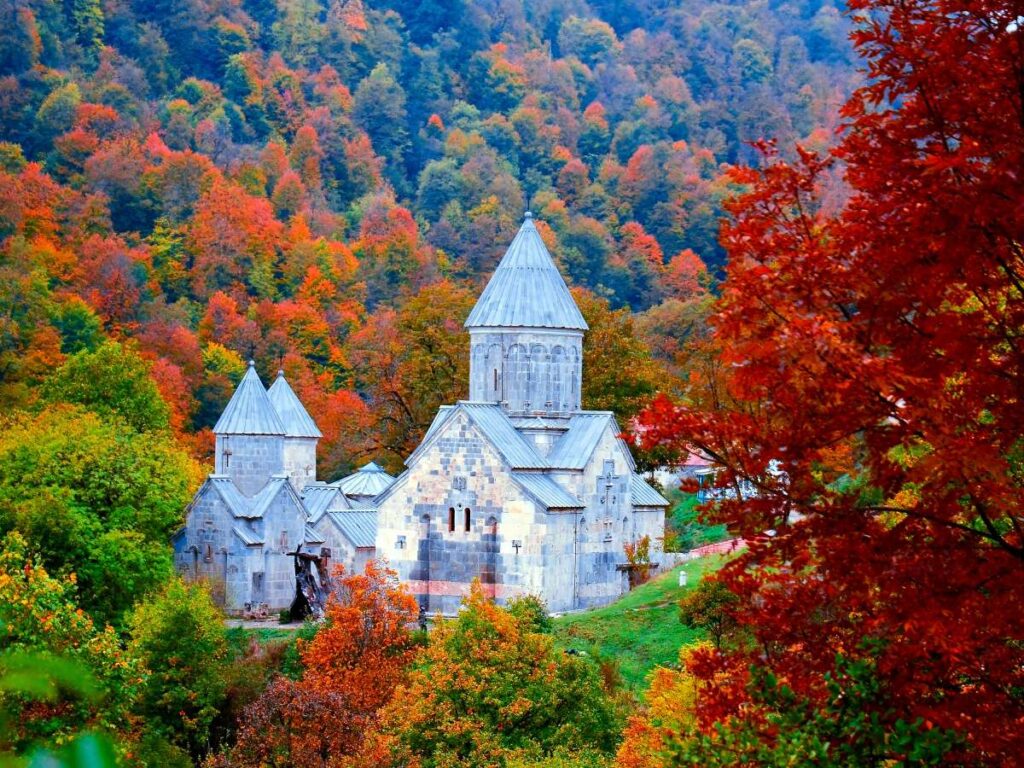
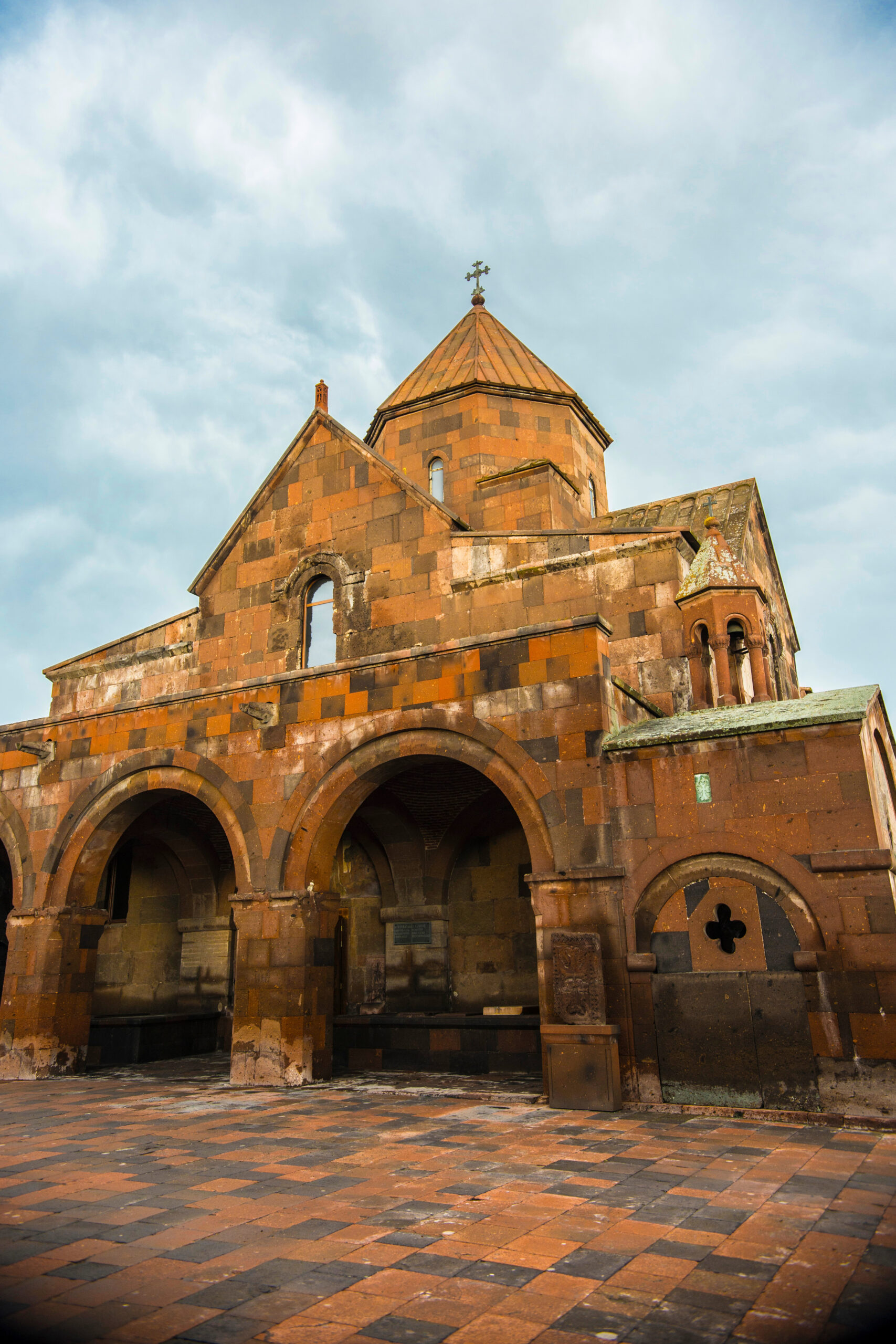
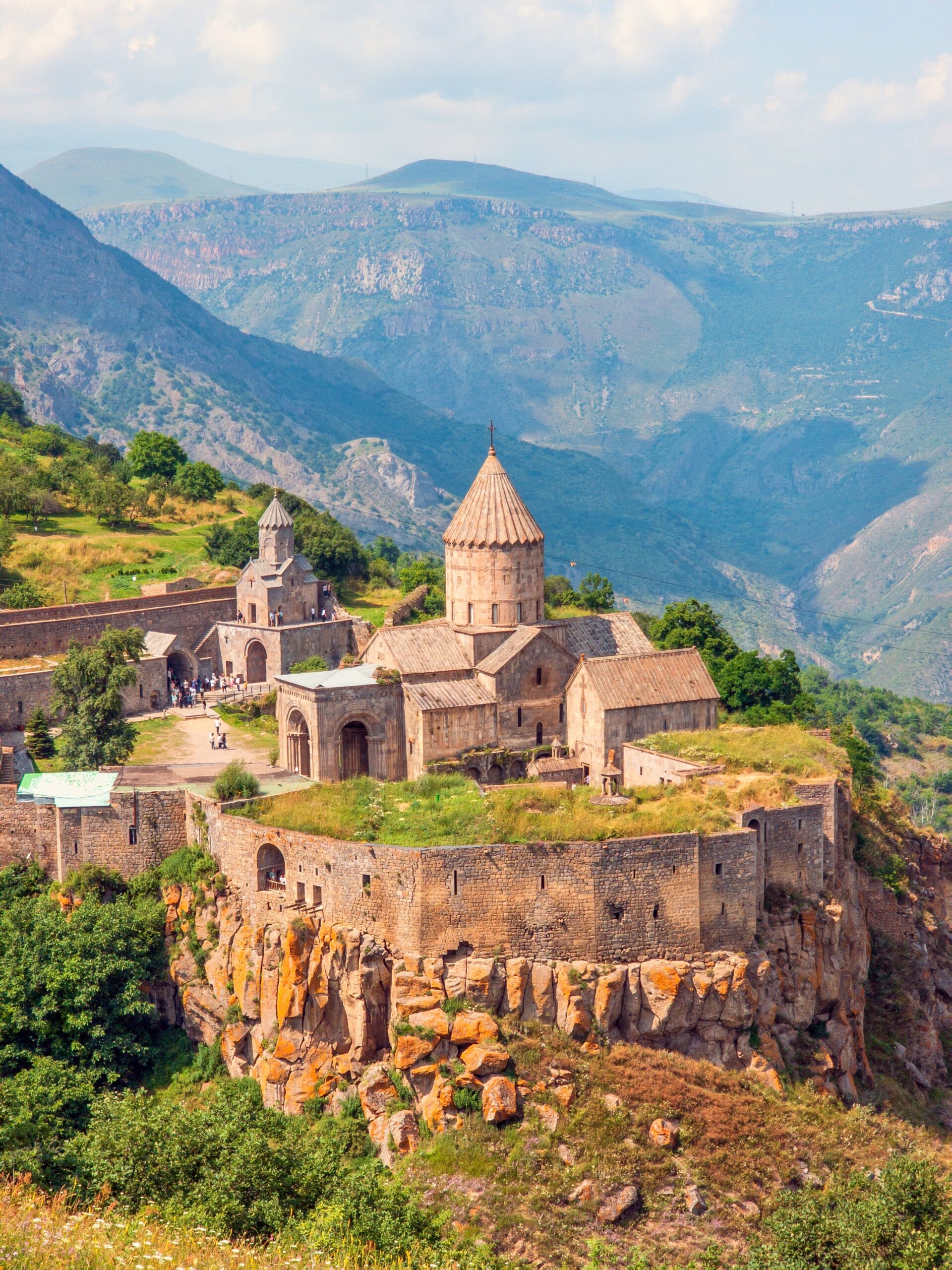
Centuries-old monasteries can be found across Armenia.
- Armenia’s heritage is recognized by UNESCO, from ancient monasteries to living traditions․
Popular Cities
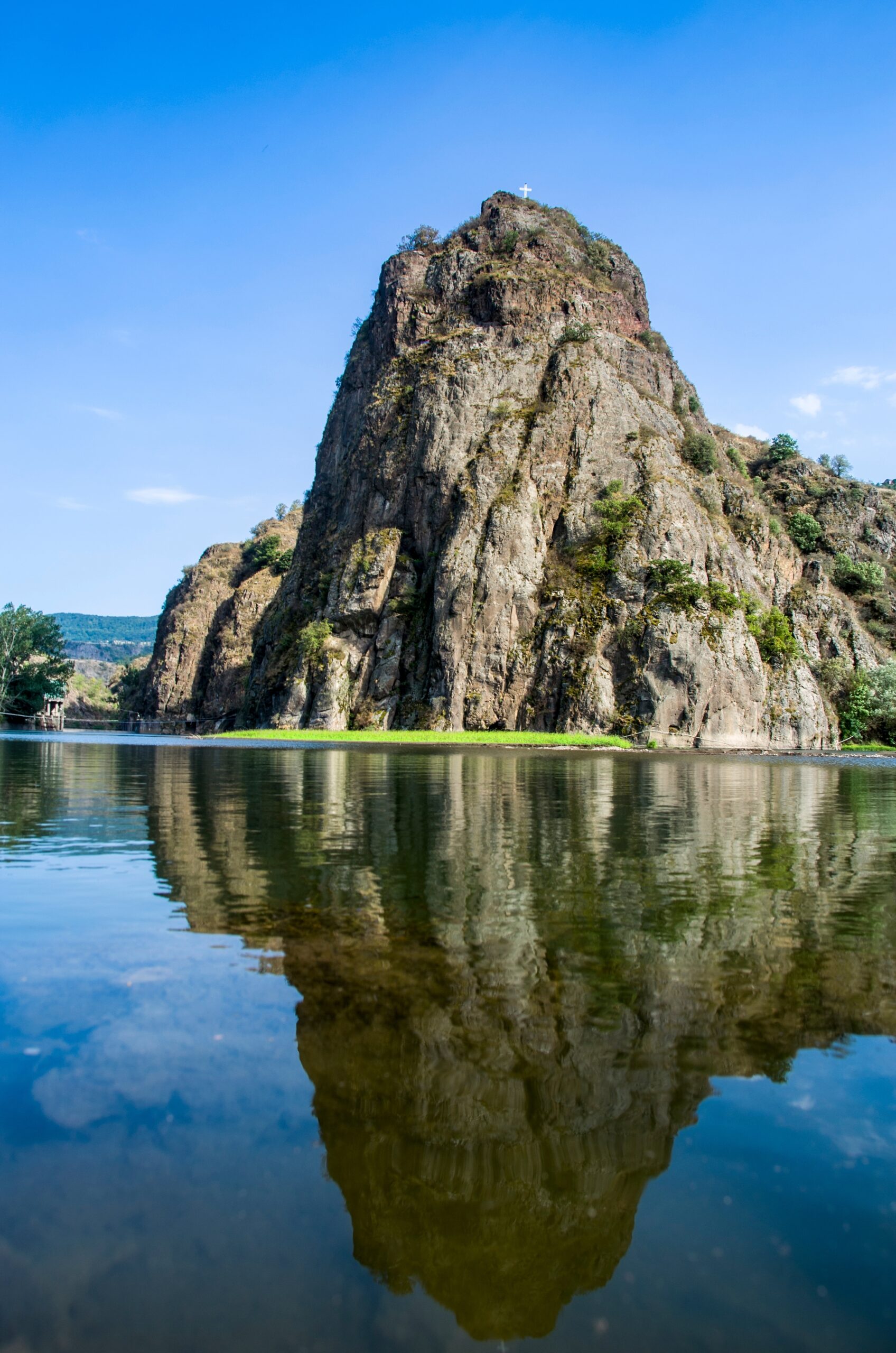
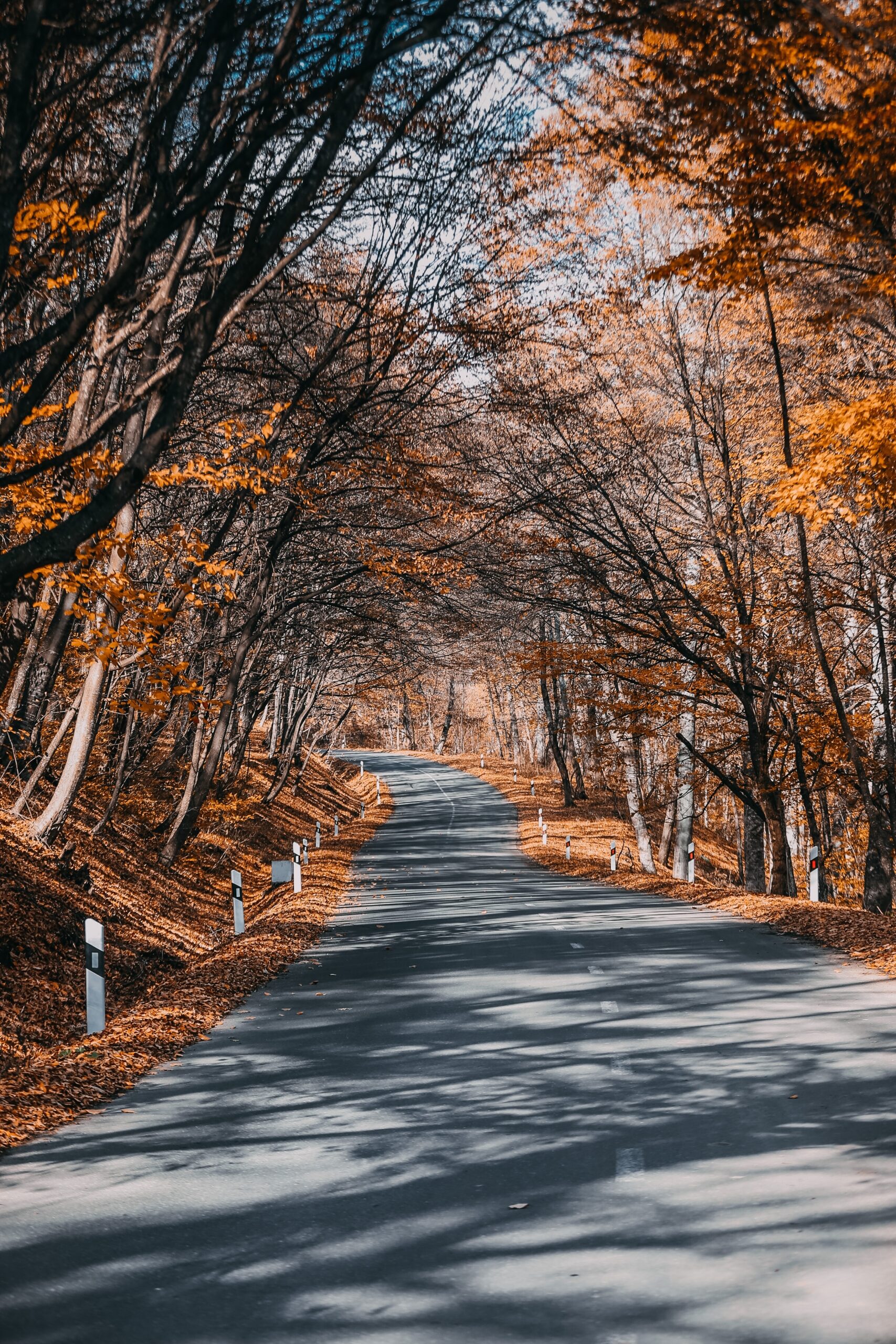
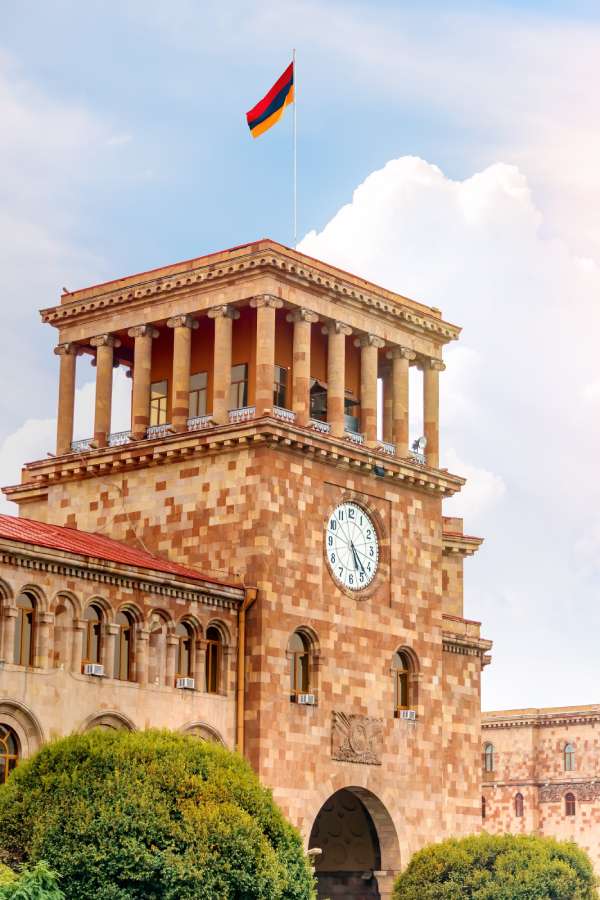
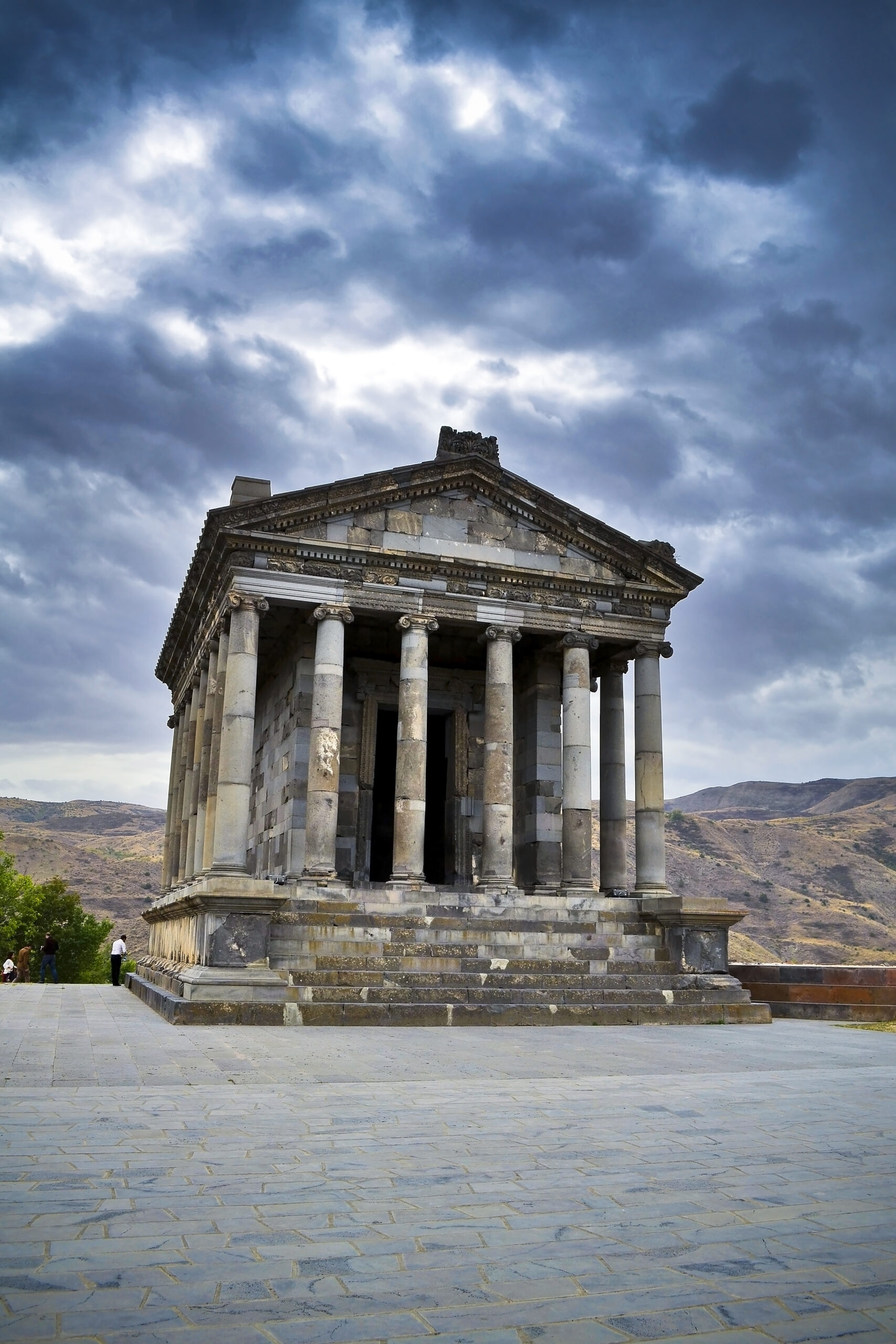
Location and Map
Armenia is located in the South Caucasus, at the crossroads of Europe and Asia.
It borders:
- Georgia to the north
- Azerbaijan to the east
- Iran to the south
- Turkey to the west
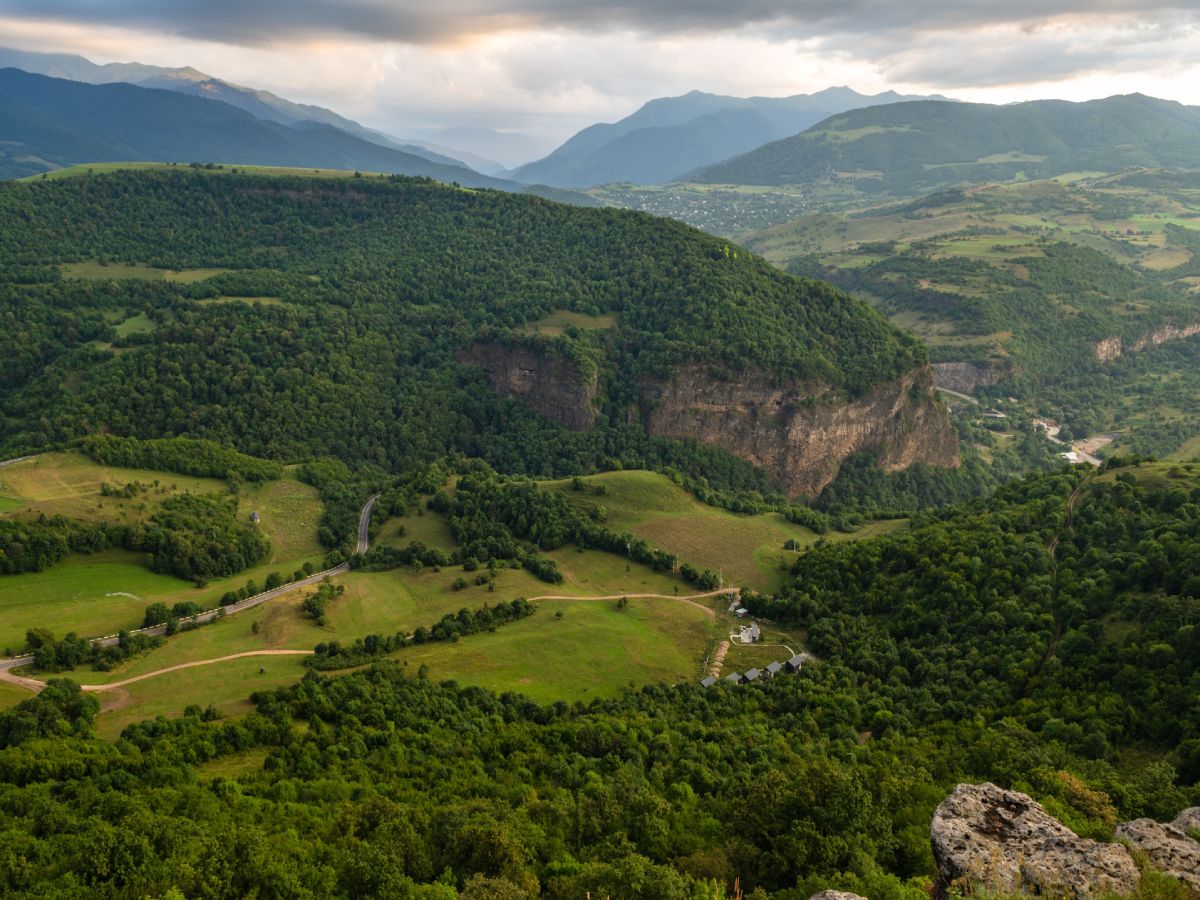
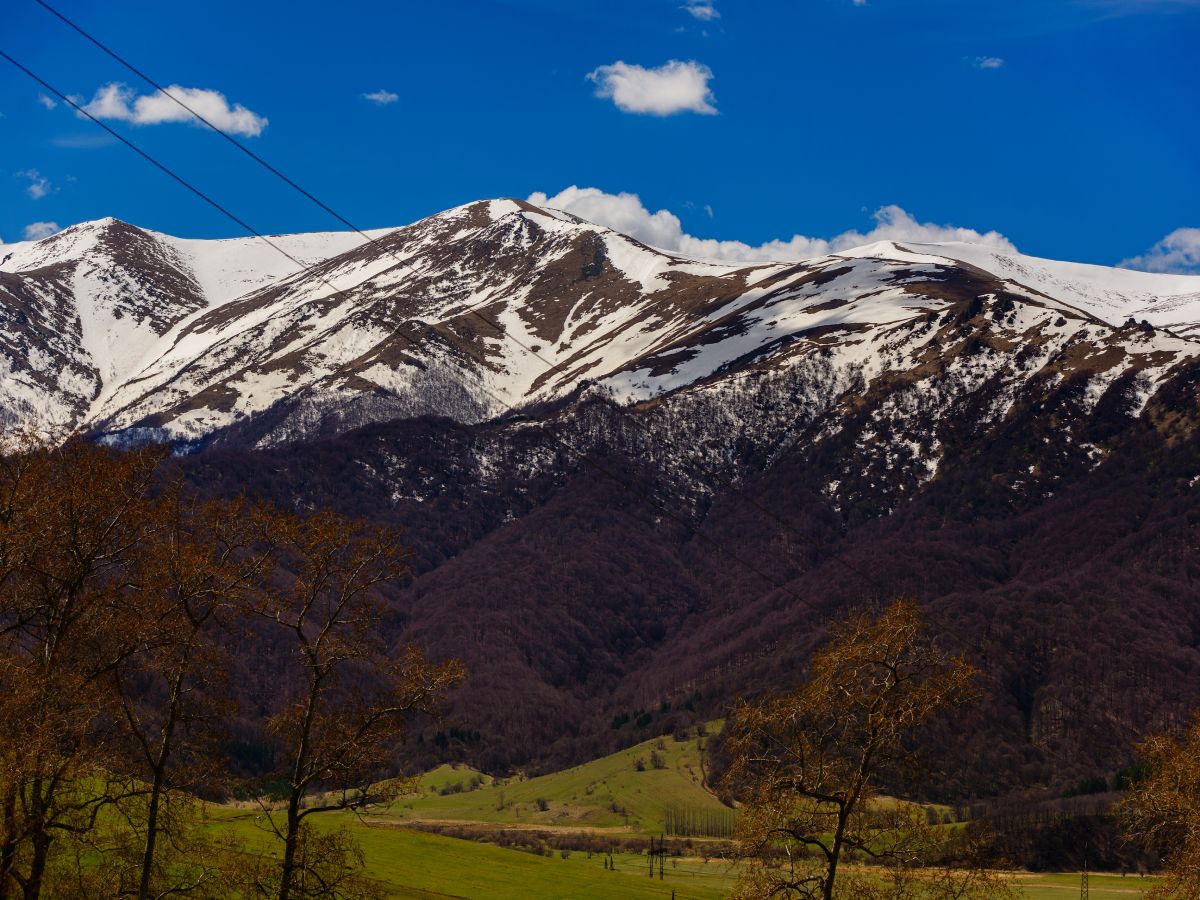
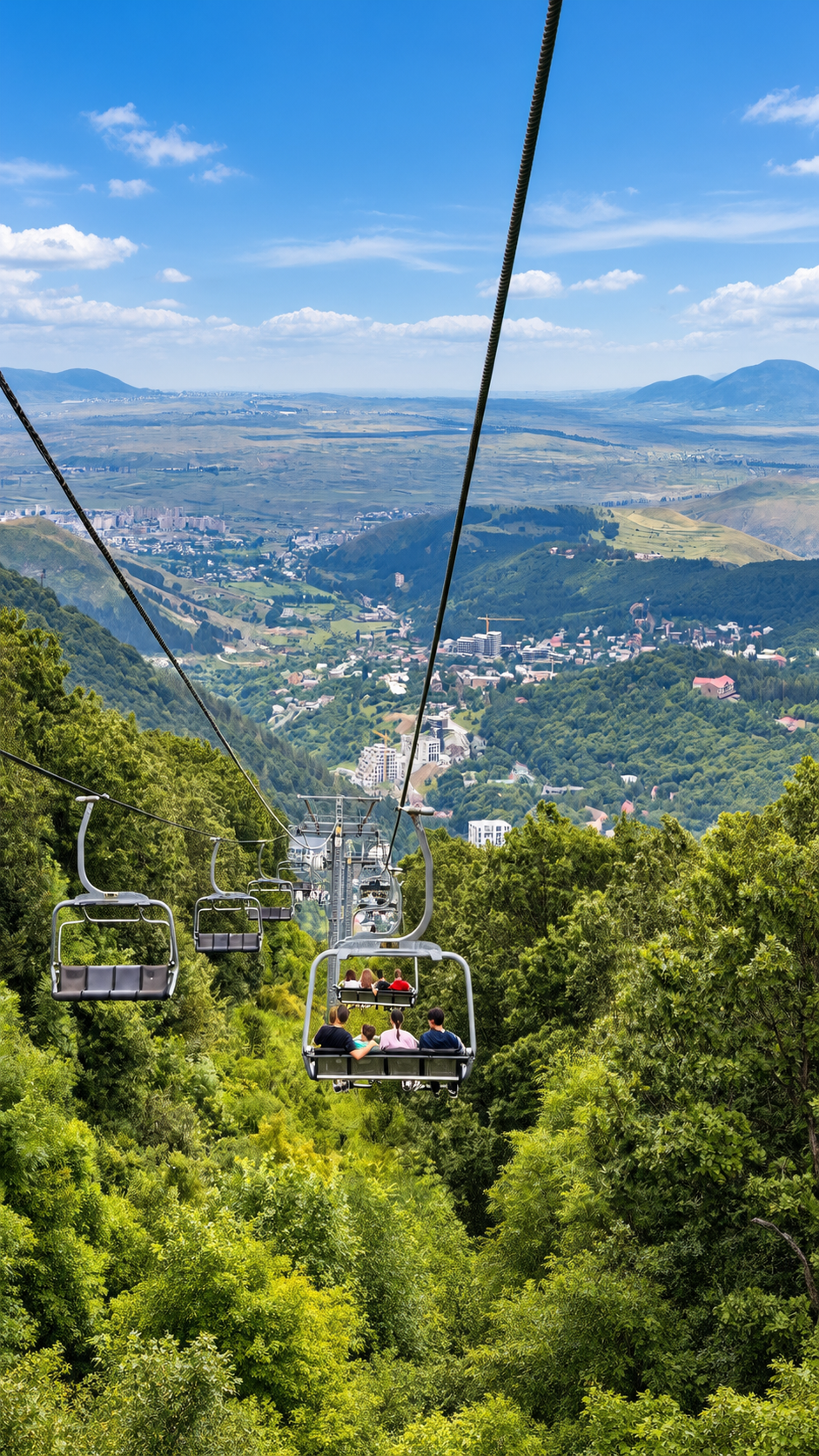
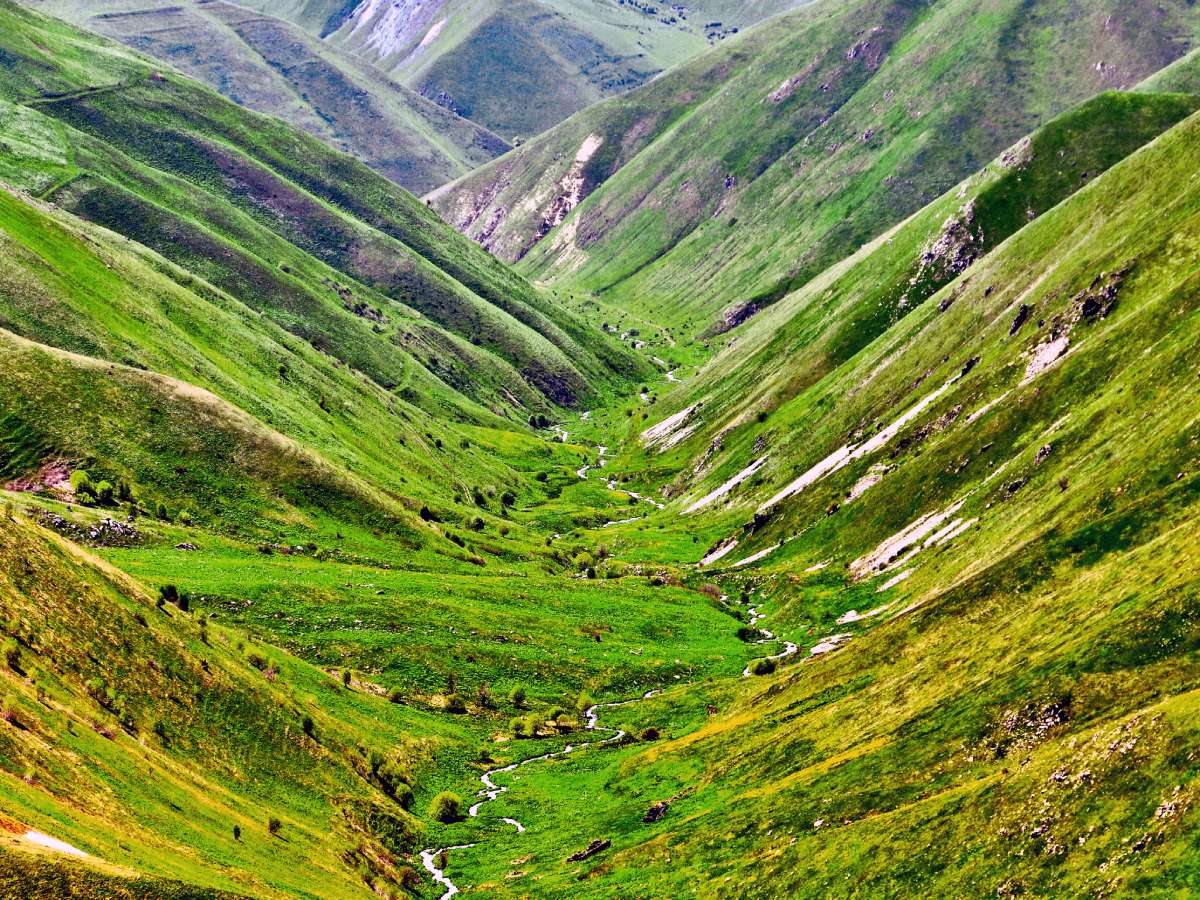
The country is mostly mountainous, with high plateaus, deep valleys and volcanic landscapes. Mount Aragats is the highest peak within Armenia, while the iconic Mount Ararat dominates the horizon just across the border.
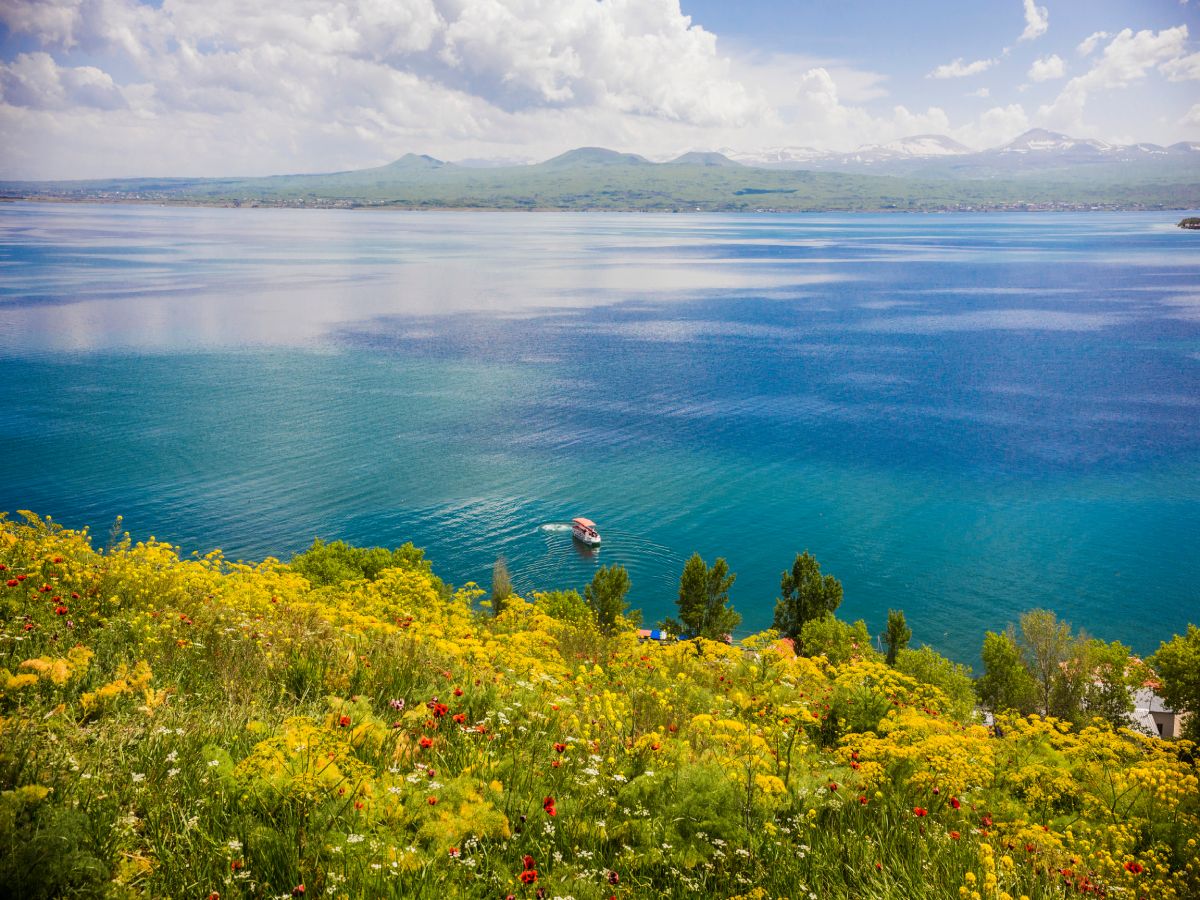
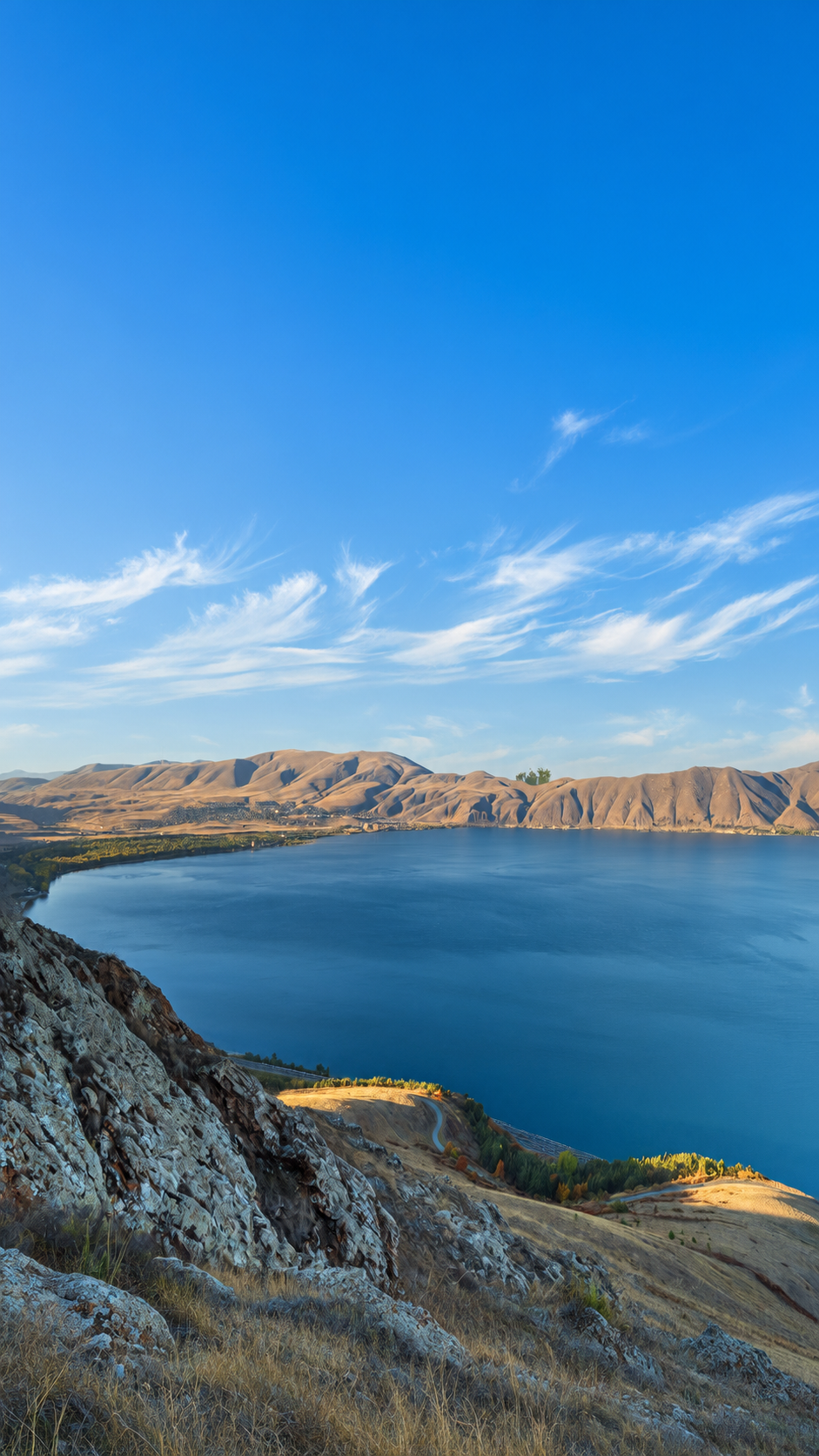
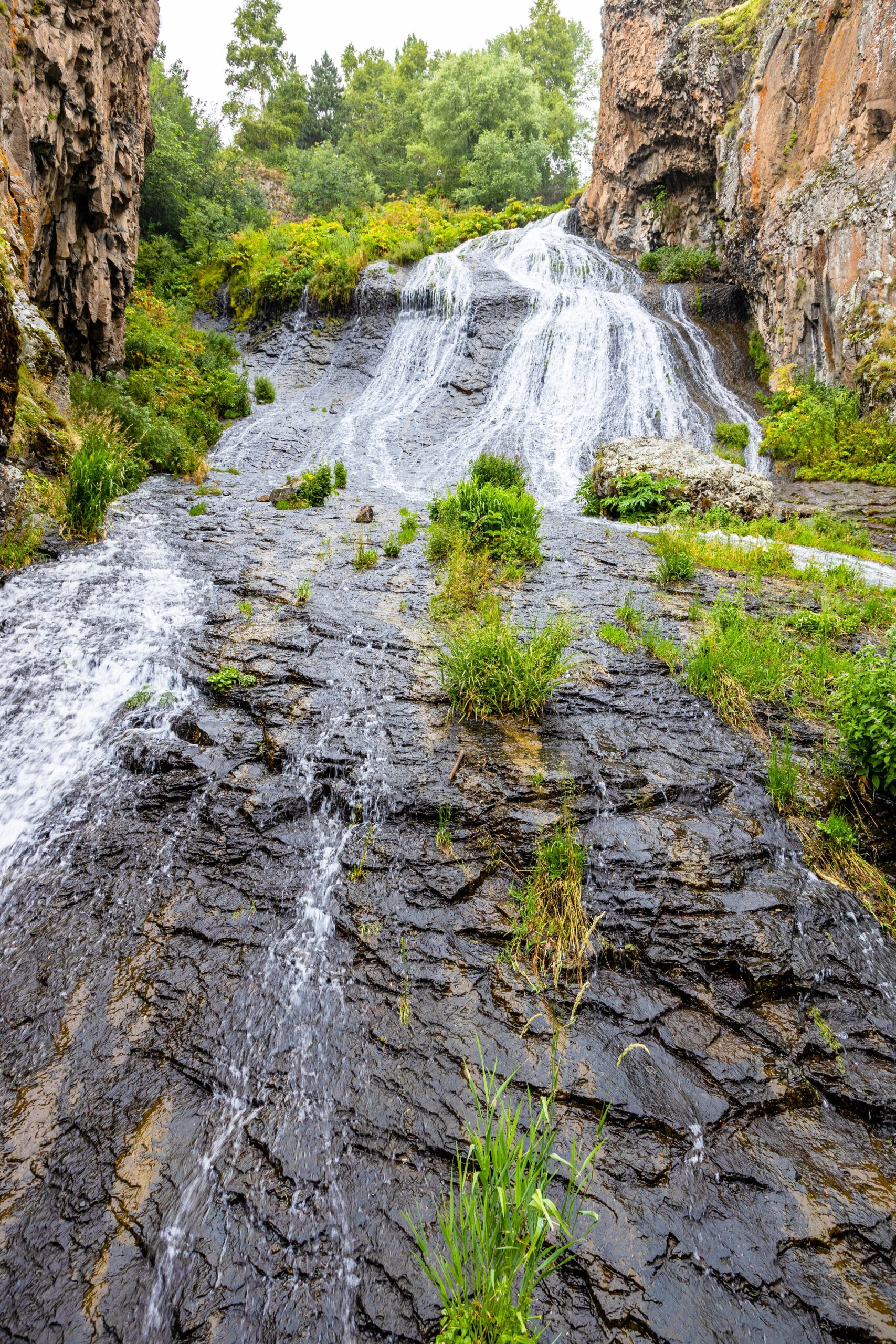
One of the advantages of traveling in Armenia is how quickly the scenery can change. A route that begins in Yerevan can lead toward the open waters of Lake Sevan, the green forests around Dilijan, the rocky landscapes of Vayots Dzor or the mountains and deep gorges of Syunik. Armenia may be compact on the map, but traveling through its regions reveals a country with far more geographic variety than its size might suggest.
Weather by Month
Armenia has four distinct seasons, with warm summers, cold winters and noticeable changes in weather throughout the year.
- January and February are cold winter months, with snow especially in the mountains.
- March to April, the weather becomes milder as nature begins to bloom.
- May and June bring pleasant temperatures and are popular for sightseeing and outdoor activities.
- July and August are typically hot and dry, with cooler conditions in the mountain regions.
- September and October bring mild weather, fresh seasonal produce and autumn colors.
- November and December become cooler as winter approaches.
May to October is especially popular for sightseeing and exploring the country, while winter offers a different side of Armenia, with snow, mountain resorts and winter activities.
Visa Information
- Citizens of many countries, including EU member states, Switzerland and the United States, can enter Armenia visa free for tourist stays up to 180 days
- A valid passport for the duration of stay is required
- Entry is easy through international airports and land borders

Currency and Payment Methods
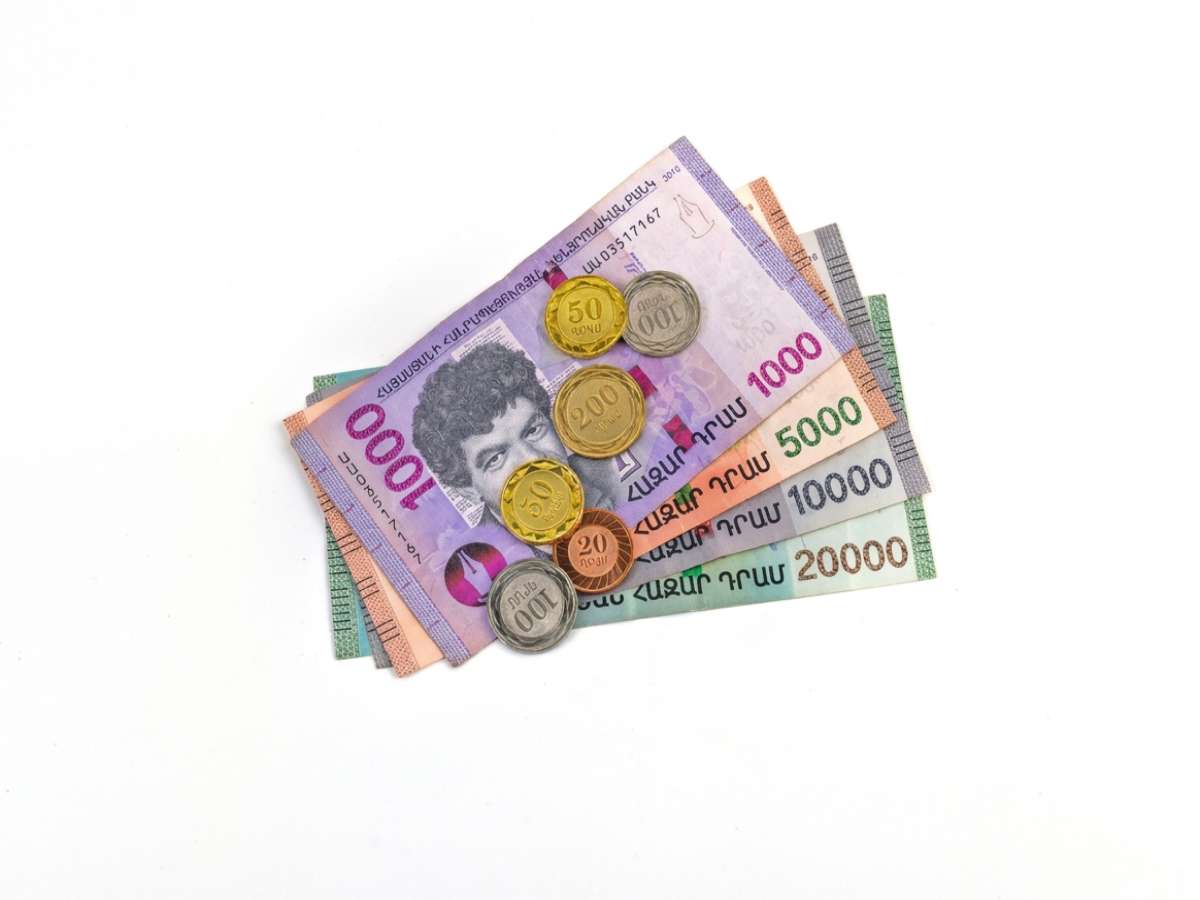
- The official currency is the Armenian Dram (AMD)
- Cash is widely used, especially for smaller purchases and in rural areas
- Credit and debit cards are widely accepted in Yerevan and many other cities and tourist areas
- ATMs are widely available in cities and larger towns
- Foreign currency can be exchanged at banks and licensed exchange offices
Tip: It is a good idea to carry some cash when traveling to smaller towns and rural areas.
Some Impressions